
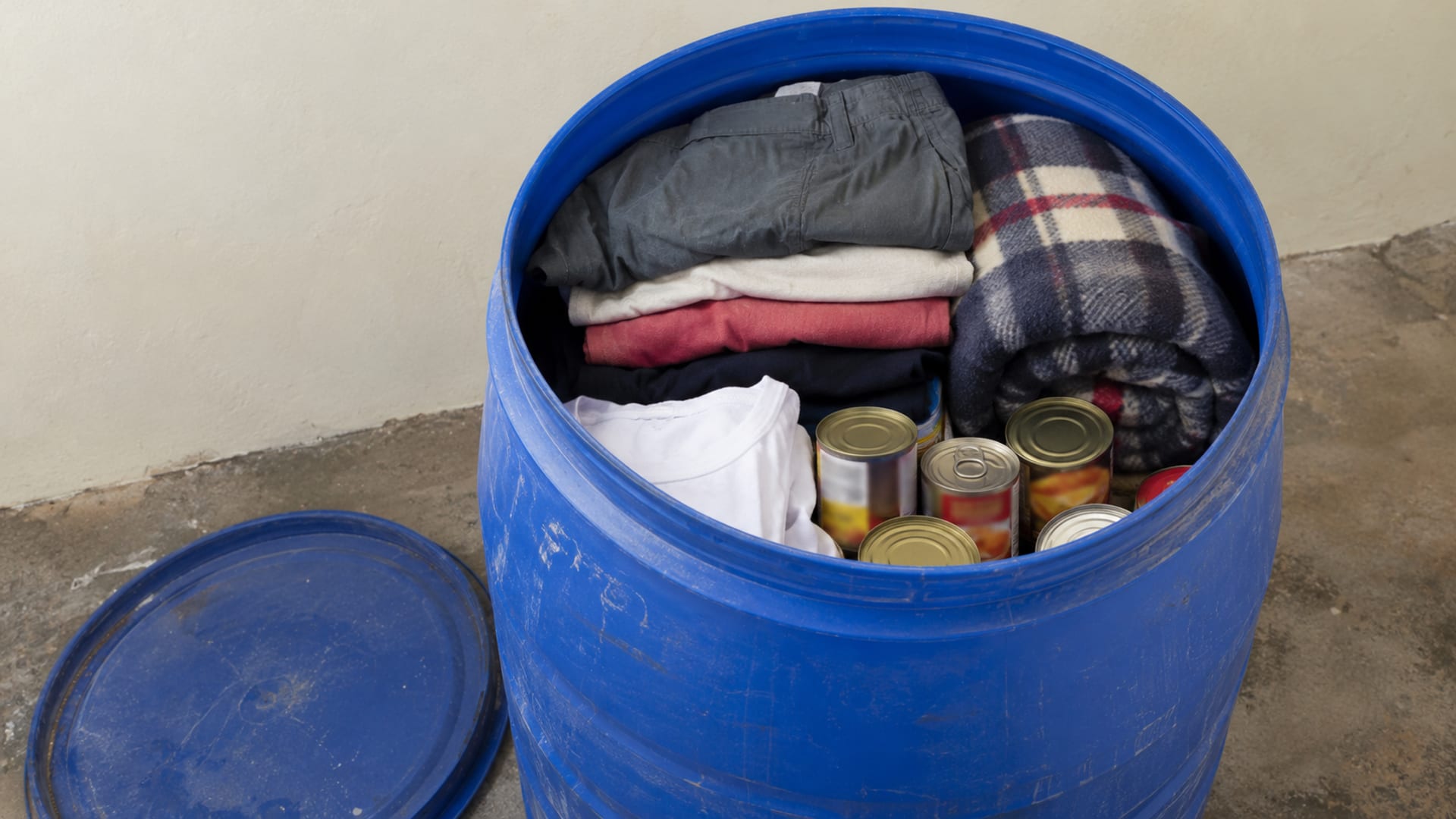
Pack ordinary, non-perishable household goods first, then separate anything involving fresh food, animal products, plants, medicine, chemicals, batteries, alcohol or large quantities. Those items may need a permit, inspection or carrier approval before you spend money on them. Prohibited goods must stay out, and the receiver needs the right documents to clear the barrel in Jamaica.
A useful barrel usually contains requested shelf-stable food, clothing, bedding, toiletries, school supplies and ordinary household goods. Before shopping, use the stores directory to find supermarkets, wholesalers, hardware businesses and furniture shops across all 14 parishes, then ask the branch about the exact item, pack size, price, GCT and delivery arrangements.
Start by sorting the shopping list
Make three groups before you buy anything:
- Ordinary household and personal goods.
- Goods that need a permit, inspection or carrier approval.
- Goods that must stay out.
The first group can include clothing, shoes, bedding, towels, toiletries, school supplies, books, household utensils and non-hazardous kitchen items. Properly packaged canned and dry foods can also fit this group when they meet Jamaica’s agricultural and veterinary rules.
The second group includes fresh fruits and vegetables, seeds, plants, plant parts, meat, poultry, seafood, eggs, milk, cheese, pet food, animal feed, medicines, chemicals, electronics with lithium batteries, liquids, aerosols, perfumes and alcohol. Separate these items and check both the Jamaican authority and the shipping company before packing.
For shopping in Jamaica, supermarkets and grocery stores can help with pantry items and household basics. A wholesaler may suit larger quantities, but ask about minimum orders, pack quantities, payment terms and whether the branch sells to individuals or businesses. Those conditions differ by business.
What must stay out
The Jamaica Customs Agency lists four categories as absolutely forbidden:
- Indecent or obscene prints, photographs, films, books, cards, written communications and similar articles.
- Counterfeit coins.
- Publications by de Laurence Scott and Company of Chicago concerning divination, magic, cultism or supernatural arts.
- Publications by Red Star Publishing Company of Chicago concerning divination, magic, cultism or supernatural arts.
You can read the Jamaica Customs prohibited-items list before sealing the barrel.
The March 2025 Jamaica Customs restricted-items guide also identifies firearms, firearm parts, ammunition, explosives, fireworks, human remains, motor vehicles, medicines, chemicals, granulated sugar, bulk alcohol and several tactical or security items as prohibited or restricted categories. It includes toy guns, bows and arrows, pepper spray, tasers, swords, spears, handcuffs, bulletproof vests, tactical flashlights, night-vision goggles and camouflage clothing. The list is not exhaustive, and restricted goods arriving without a valid permit can breach Section 210 of the Customs Act. Approval can still change if disease conditions or government policy change, even with a permit. The March 2025 restricted-items guide gives the category details.
Do not treat a family barrel as a way to send commercial quantities. Large quantities may be treated as commercial imports, even when the shipment is described as a donation or personal package. The Jamaica Customs business import rules are useful when the contents are for a shop, resale or business restocking.
Food, plants, medicine and animal products
Fresh fruits, vegetables, seeds, plants, plant parts and other regulated plant articles need a phytosanitary import permit from the Plant Quarantine and Produce Inspection Branch. Frozen, canned and dried fruits and vegetables, along with generally processed materials, are identified in the Ministry of Agriculture’s 2025 import brochure as categories that normally do not need that plant permit. Agricultural inspection and other restrictions can still apply. Read the Ministry of Agriculture import brochure for the product category and country of origin.
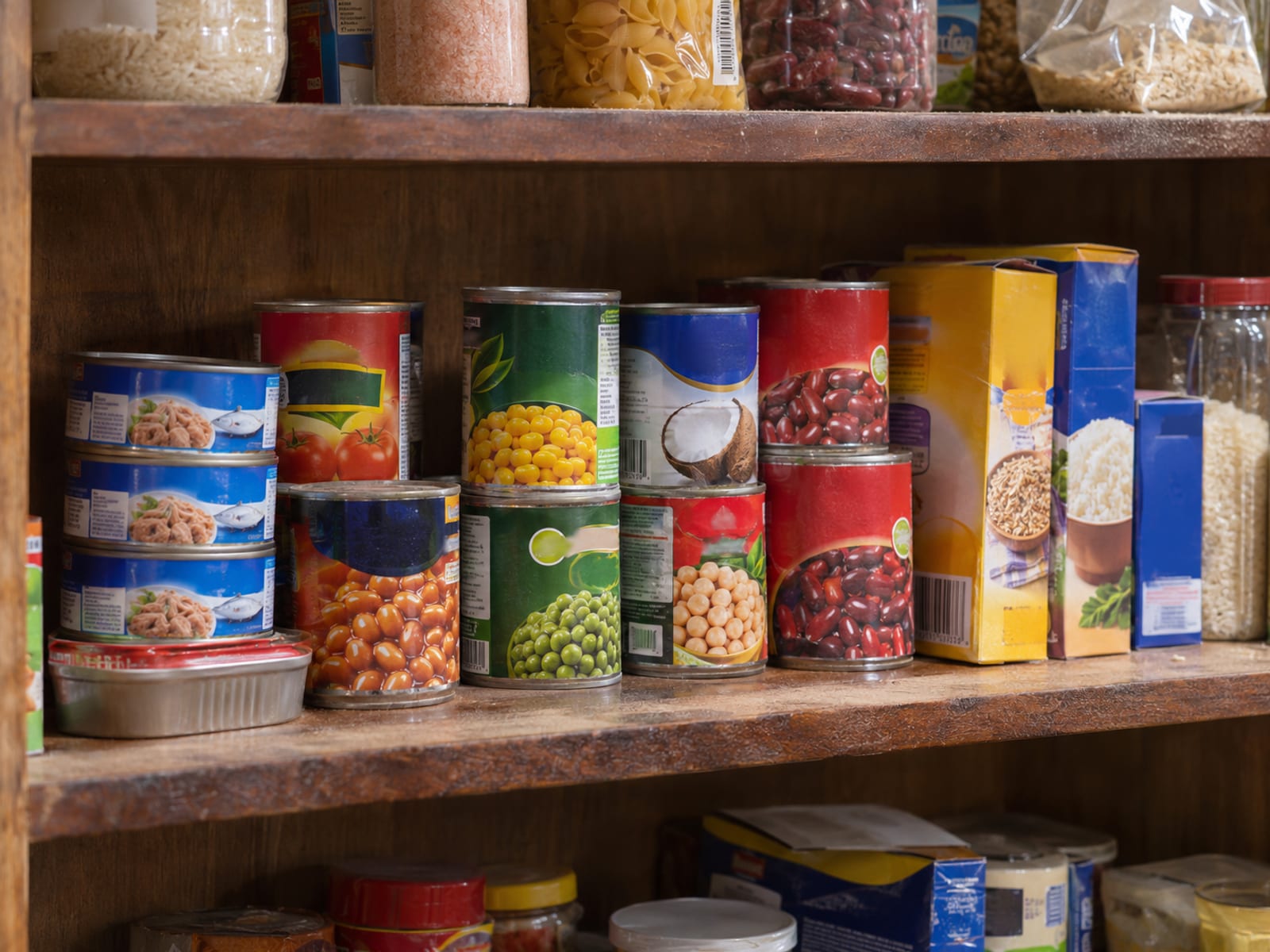
Meat, poultry, seafood, eggs, milk, cheese, pet food and other animal-origin products fall under veterinary control. Meat imports require a veterinary import permit and inspection documentation, with country-of-origin and packaging requirements where applicable. Honey and honey by-products are prohibited. The Ministry also identifies country-specific restrictions, including United States pork products except hermetically sealed cans, Canadian beef and beef products, and live or processed conch and lobster. The animal-product import information provides the relevant personal-use pointers.
Salted fish up to 10 kg per person is listed as allowed without a veterinary import permit. Larger quantities require a permit. Commercially packaged baked goods, confectionery, cereals, snacks, dry mixes, meat-free condiments, hermetically sealed canned fish, nutritional beverages and infant formula are listed as personal-use foods that generally do not require a veterinary import permit, subject to inspection and packaging or quantity conditions. Keep them in their original commercial packaging where possible.
Medicines, over-the-counter products, herbal preparations, vitamins, minerals and products making therapeutic claims are regulated by the Ministry of Health. Import approval or a permit may be required before shipment. The temporary waiver for specified medical and personal-care imports ran until March 31, 2026, so do not treat it as a permanent rule. Use the Ministry of Health standards and regulation information for the current requirement. For which medicines need a prescription, see Jamaica's prescription-only medicine rules.
Practical items that usually fit a family barrel
Common barrel contents include shelf-stable food such as rice, beans, canned fish, powdered milk, cooking oil, snacks, cereals, baking products and other pantry goods. Families also commonly send clothing, shoes, bedding, household goods, hygiene products, school supplies and uniforms.
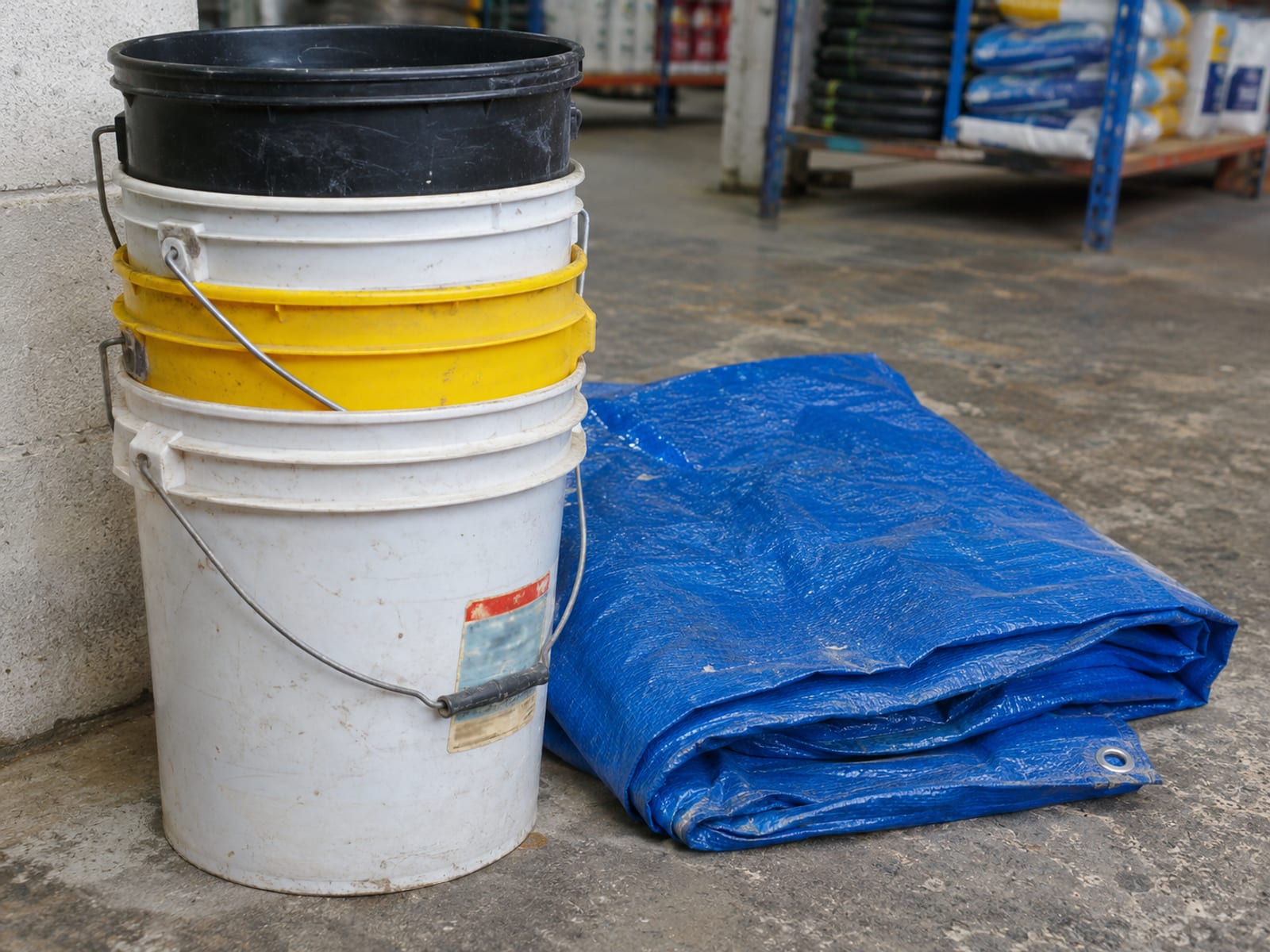
Emergency or recovery shipments may contain water, blankets, tarpaulins, cleaning kits, buckets and medical supplies. Those goods still need accurate descriptions and suitable shipping arrangements. A relief purpose does not automatically remove permit, inspection or carrier requirements. For what a household in Jamaica buys ahead of a storm, see the hurricane supplies list for Jamaica.
PriceSmart Jamaica publishes online categories that include groceries, beverages, snacks, grains, pasta, cooking oils, household products and furniture. Courts Jamaica lists furniture, appliances, electronics, bedding, hardware and children’s goods. Those online categories describe what the chains list, while the branch must confirm current stock, colour, size, pack quantity and price.
For building or repair items, browse hardware stores and ask about weight, packaging, delivery and carrier acceptance. For bulky household purchases, furniture stores can help you compare dimensions, delivery charges and assembly arrangements. Sale terms, delivery, assembly and installation are separate matters, so ask about each one for the specific item.
Useful questions for any branch start with the current price in J$ and whether GCT is included in that price. Ask what pack size, weight and quantity come with it, which colours, sizes or brands are available, and whether the item can be reserved.
Then ask whether the branch delivers to the receiver’s area, what the delivery charge and expected delivery date are, and whether pickup is available. Finish by asking which payment methods the branch accepts, what the return, exchange and warranty terms are, and whether the receiver can collect or receive a bulky item.
Ask the branch directly about stock, delivery, pickup and the terms for your item.
Pack and label the barrel carefully
Write or attach the sender’s full name and address, the receiver’s full name and complete Jamaican address, Jamaica as the destination country, and the shipment number when there is more than one package, such as “1 of 4”. The contents description should match the packing list and invoice.
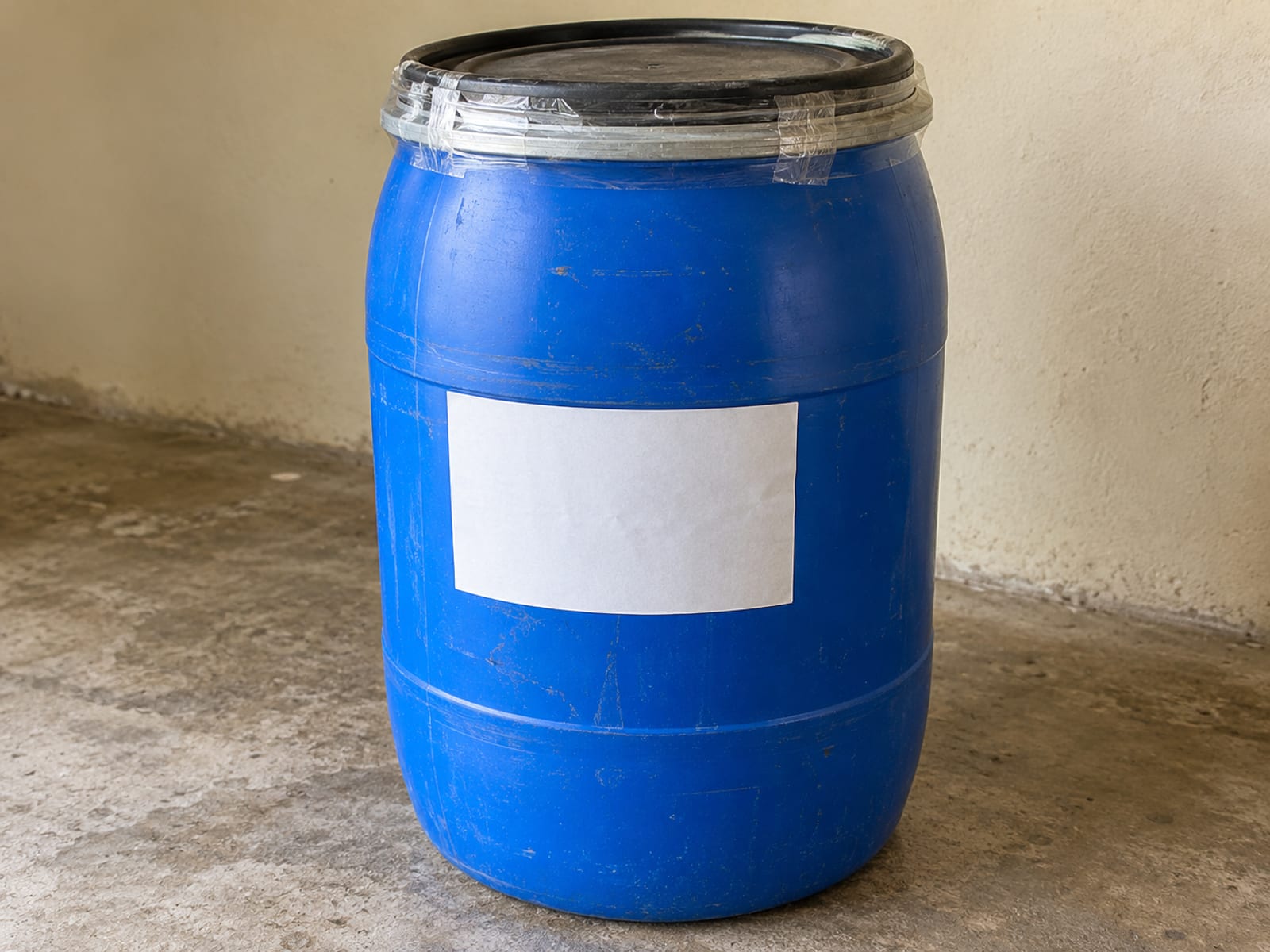
Caribbean Cargo DC advises marking the barrel lid and circumference, placing sender and receiver details on the top and side, and avoiding writing directly on shrink wrap. Names and addresses should match the invoice. Follow the barrel labelling requirements before the shipment leaves.
Prepare a written packing list with every item, quantity and approximate value. The list should match the label and invoice. Declare goods of meaningful value so the shipping company can assess whether insurance is appropriate. Put liquids in sealed plastic bags, tape bottle caps, cushion fragile goods and secure the barrel. Use a padlock only when the shipping company permits it. The packing and shipping tips cover these practical steps.
The receiver should have valid identification, the consignee’s Taxpayer Registration Number, or TRN, and the bill of lading or airway bill. They also need a proper invoice or value statement, any import permit or licence that applies, and an authorization letter if another person is clearing the barrel.
Jamaica Customs may require the consignee to open, unpack and repack the barrel for examination. Keep copies of the packing list, invoice, permits and shipping documents. The Jamaica Customs barrel-clearance information explains the documents and clearance process. Clearing a barrel at Jamaica Customs, with fees, papers and timing covers the receiver's side in full.
Check the carrier before buying restricted goods
A carrier’s acceptance rules are separate from Jamaican Customs rules. Agility Shipping identifies lithium-battery electronics, liquids, aerosols, perfumes, magnets, food, tobacco and alcohol as restricted or conditionally accepted categories. Electronics with lithium batteries must be packaged properly and declared under its carrier restrictions.
Ask the selected shipping company whether it accepts the exact appliance, battery, liquid, aerosol, perfume, food, alcohol or used article. Ask how it must be packed, labelled and declared. New and used goods should be described accurately, with actual quantities and values.
Furniture, appliances and electrical items also bring size and handling questions. Before buying, ask the branch for the packed dimensions and weight, then ask the carrier whether the item can travel in the barrel. Confirm who pays delivery, whether the item needs separate handling and whether the receiver can collect it. What shipping a barrel to Jamaica costs and how long it takes helps you compare carriers.
Relief shipments and the 2025 to 2026 dates
After Hurricane Melissa struck Jamaica on October 28, 2025, temporary relief measures provided Import Duty and General Consumption Tax, or GCT, relief for qualifying relief supplies and donations. Eligible categories included essential food, bedding, clothing, hygiene kits and limited building materials. Starlink equipment and solar equipment, including panels and batteries, were later added to the relief measures.
The original relief period was extended through December 31, 2025. Jamaica Customs later published January 15, 2026 as the hard stop date. After that date, normal applicable Import Duty, GCT, Standard Compliance Fee Customs and Customs Administrative Fee rules applied. Read the January 15, 2026 relief deadline before relying on any old relief notice.
Large relief quantities could be treated as commercial quantities. Donors were urged to coordinate shipments through registered charities, ODPEM, the National Education Trust or other approved channels. The Jamaica Customs relief-shipment clarification gives practical information for qualifying containers.
For ordinary family barrels, use the normal Customs and agency rules. Do not assume that a past hurricane waiver applies to a current shipment.
Shopping around Jamaica for the contents
If the receiver is shopping in Kingston or St. Andrew, start with the relevant Kingston stores or St. Andrew stores and contact branches about the exact goods needed. A household buying repair supplies in St. Catherine can use the St. Catherine stores listings, then ask a hardware branch about stock, pack size, delivery area and payment.
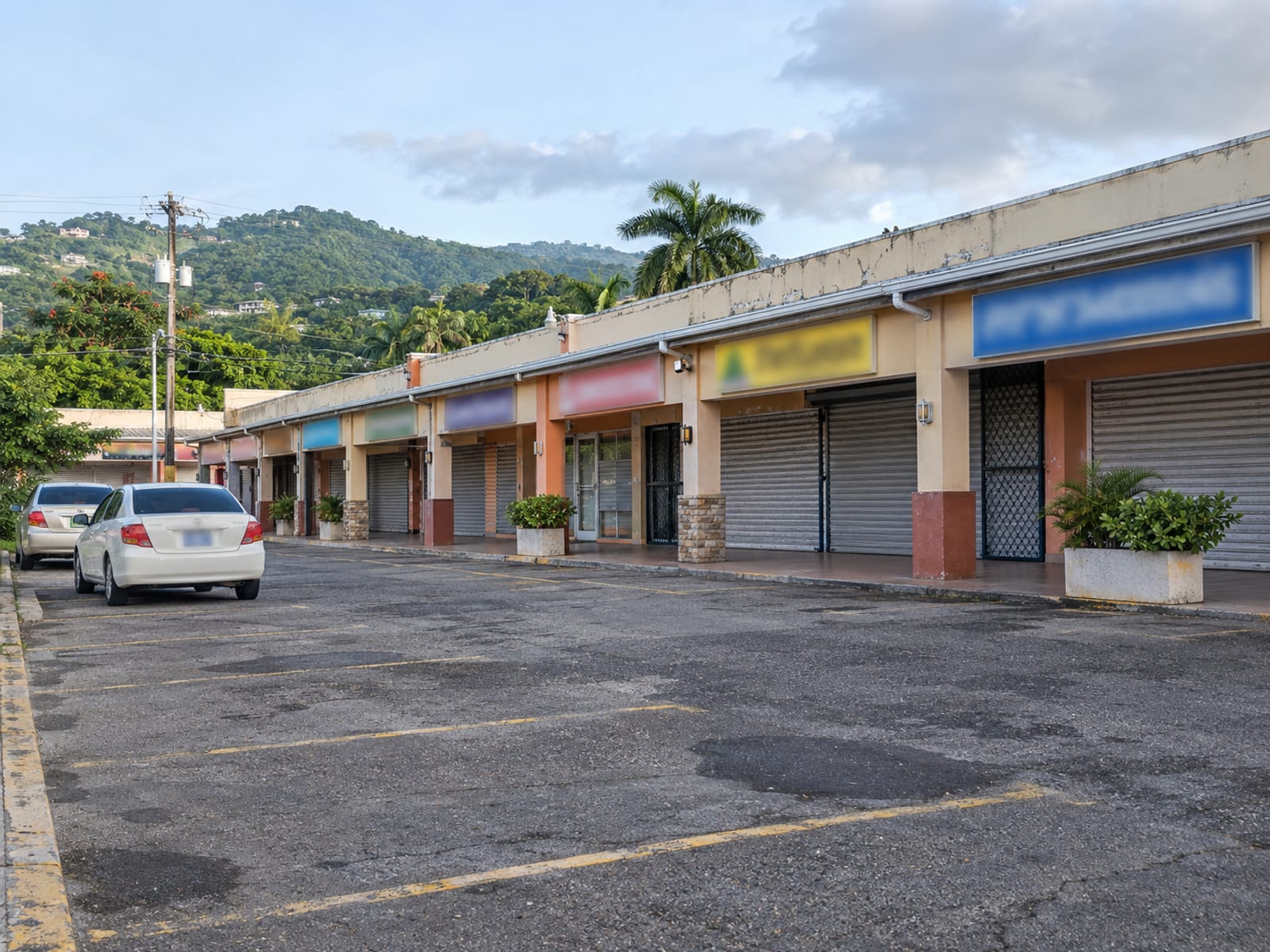
For groceries, compare like-for-like pack sizes and ask whether the displayed price includes GCT. For household goods, record dimensions before arranging delivery. For hardware, separate the questions about material, quantity, delivery and specialist advice. Do not put electrical, chemical or structural work into a barrel plan without the required professional or regulatory advice.
A store may publish online categories, JMD prices, branch pickup information or delivery links. Sampars states that tax is added in the cart in its online grocery FAQ. Ask the branch to confirm the total that applies to your order and the receiver’s delivery address.
Common questions
What can you not ship to Jamaica in a barrel?
Do not ship obscene or prohibited publications, counterfeit coins, firearms, ammunition, explosives, honey, illegal drugs, human remains without approval, or restricted goods without the required permit. Fresh produce, plants, meat, animal products, medicines, chemicals, batteries, aerosols, liquids and alcohol also need the relevant Jamaican and carrier checks before packing.
What can you put in a barrel to ship to Jamaica?
You can usually start with properly packed clothing, shoes, bedding, towels, toiletries, school supplies, household utensils, canned foods, dry snacks, cereals, confectionery, baked goods and meat-free condiments. Keep food sealed in original packaging, list every item and separate anything involving plants, animal products, medicine, chemicals, batteries or alcohol.
How do you label a barrel for Jamaica?
Show the sender’s full name and address, the receiver’s full Jamaican name and address, Jamaica as the destination, the package number and a contents description matching the packing list and invoice. Put the information on the lid and circumference, and keep the receiver’s identification, TRN, shipping documents, invoice and permits available for clearance.
What items are prohibited in Jamaica?
Jamaica Customs prohibits obscene articles, counterfeit coins and certain named publications about divination, magic, cultism or supernatural arts. Honey is prohibited by the Ministry of Agriculture, while meat, fresh produce, plants, medicines, chemicals, firearms, bulk alcohol and other categories are restricted or permit-controlled.
What do I need to pack a barrel to Jamaica?
You need a carrier-approved container, strong tape, padding, plastic bags for liquids, accurate labels, an itemised packing list, an invoice or value statement, shipping documents and the receiver’s TRN. Add copies of any permits or licences, and ask the shipping company about batteries, liquids, appliances, new goods and used goods before sealing the barrel.
What should I put in a barrel to send to Jamaica?
Start with the receiving household’s request, then choose useful shelf-stable foods, clothing, bedding, toiletries, school supplies and ordinary household items. Leave out fresh produce, plants, honey, meat, medicines, chemicals, alcohol, aerosols and battery-powered goods until the relevant authority and carrier approve them.
For the exact shopping trip, use the parish or store-type directory page for the area and goods you need, then contact the branch before paying.