
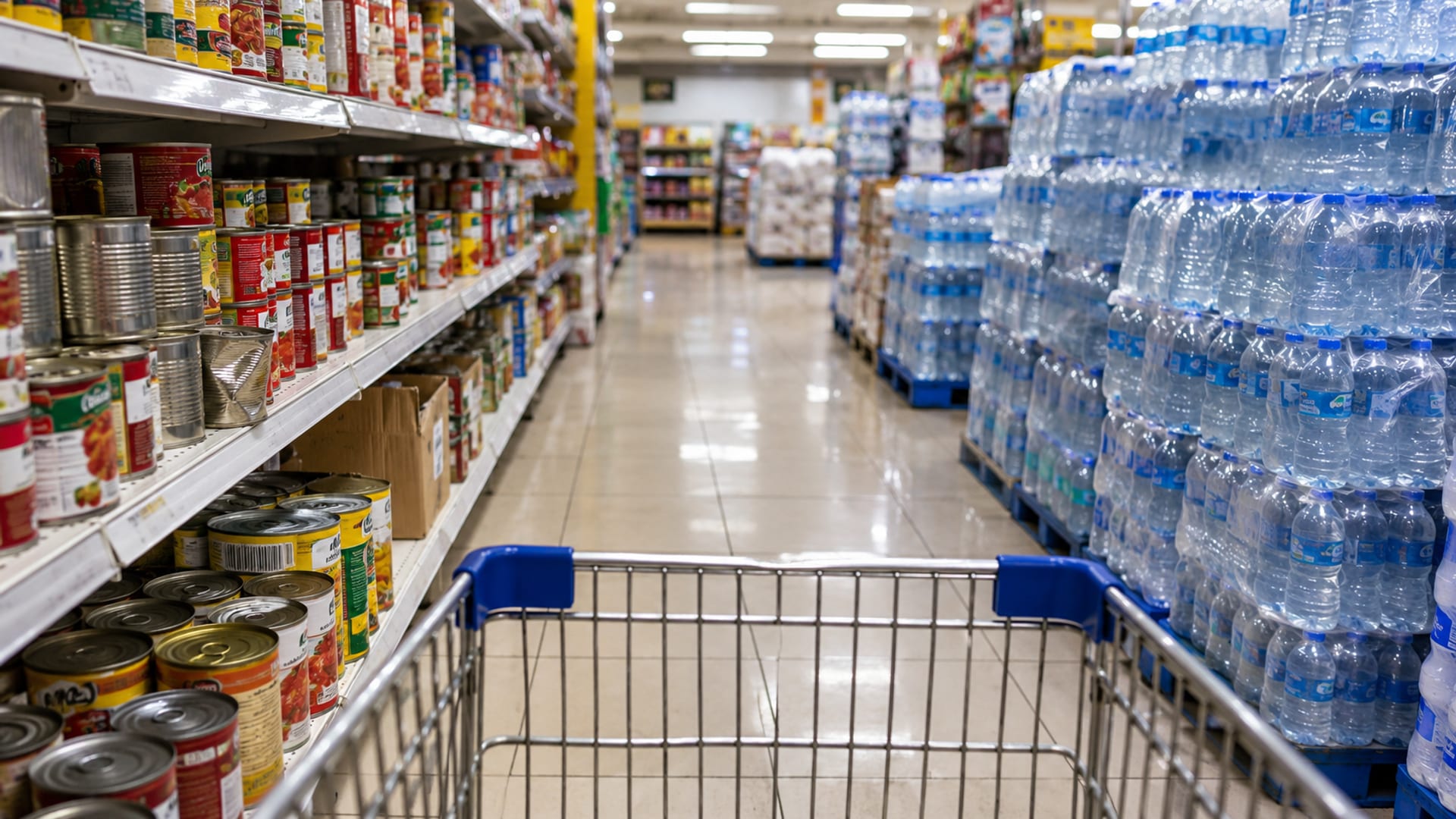
Start with water, essential medicine, food that can last without refrigeration, lighting and communication supplies. ODPEM recommends seven days of household water and non-perishable food, while a household preparing to evacuate or shelter may need at least three days of supplies ready to carry. Buy from supermarkets, wholesalers, water suppliers and hardware stores according to the job each item must do, then ask the branch about stock, price, opening hours, payment and transport.
Jamaica’s official Atlantic hurricane season runs from June 1 through November 30, although tropical cyclones can form outside those dates. A below-normal seasonal forecast still calls for household preparation before a storm threatens the island.
Start with the household list
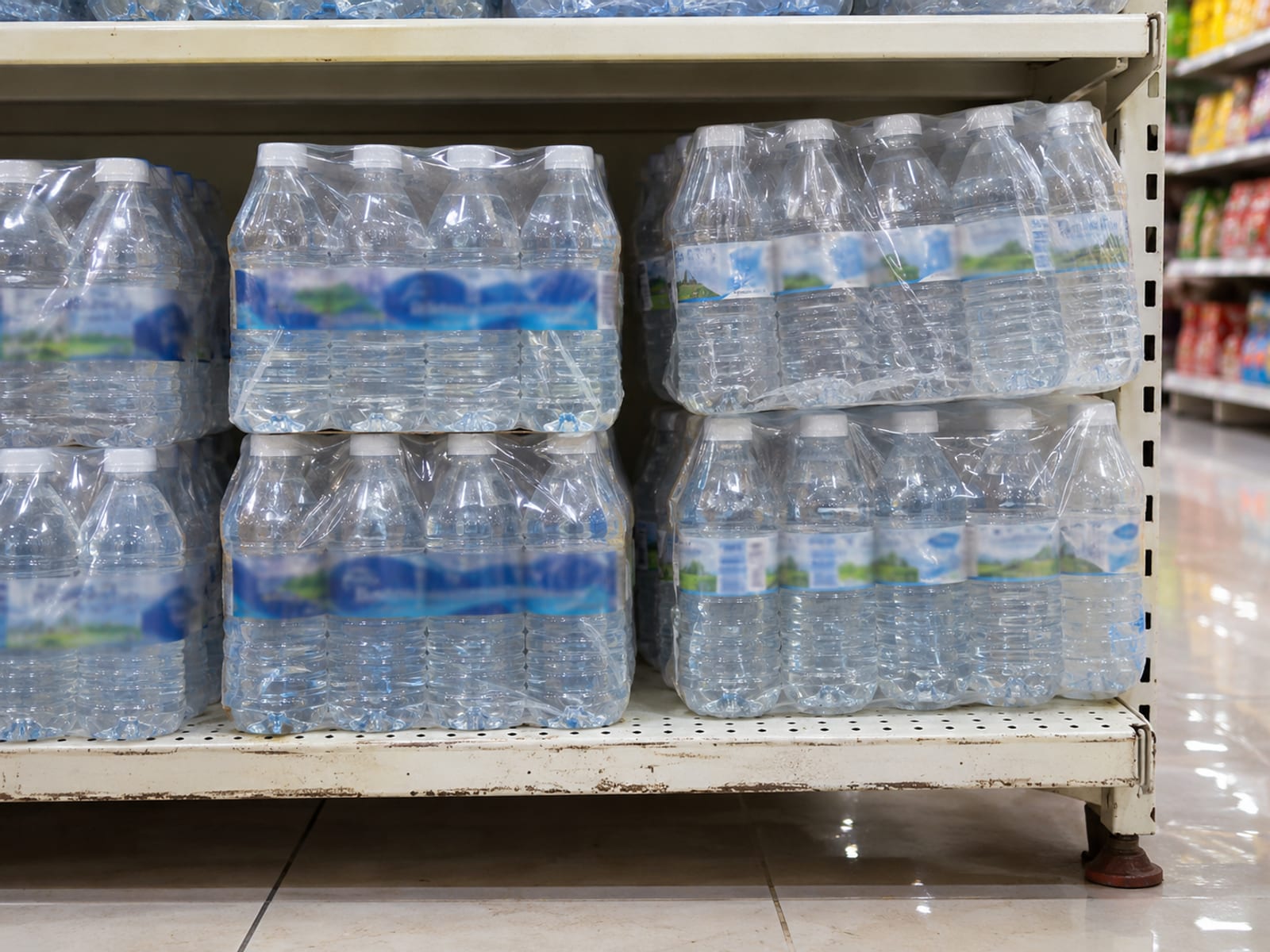
ODPEM’s general safety guidance recommends water in clean plastic containers at a minimum of one gallon per person per day, with a seven-day household supply. Include children, older people, pets and anyone with medical or dietary needs when working out the quantity.
For food, plan for at least seven days of items that can stay safely without refrigeration. Canned meat, fish, fruit and vegetables, canned juices, crackers, jams, cereal, dry food, cooking oil and pet food can form the main supply. Include a manual can opener so canned food remains useful during a power cut. If you cook with gas, cooking gas prices in Jamaica: cylinder sizes, refills and delivery shows what a refill involves. For a household that stores frozen food, deep freezer prices in Jamaica by size and type shows what a freezer costs.
Your first-aid and medicine supplies should include prescription medicines, painkillers, bandages, sterile gauze, scissors, safety pins, alcohol and cotton. Keep medicines in their original packaging and follow the prescriber’s instructions.
For lighting and communication, buy a battery-operated radio, spare batteries, candles, lanterns and flashlights. Add a utility knife, waterproof bags for devices, a charged phone, a car charger, a prepaid top-up card, cash and a non-cordless phone. Keep important contact numbers, evacuation routes, the nearest shelter and the parish disaster coordinator’s details with the household emergency plan.
Sanitation supplies include toilet paper, soap, feminine hygiene products, other personal hygiene products, diapers where needed, garbage bags, a covered bucket, disinfectant and bleach. Clothing supplies should cover at least three changes per person, sturdy shoes or boots, rain gear and blankets or sleeping bags.
The Ministry of Health and Wellness also identifies bottled water, canned and dry food, flashlights, batteries, radios, first-aid kits, sanitation goods and special foods for babies or people with medical needs as part of emergency preparation.
Match each errand to the right kind of shop
A supermarket or wholesaler is suited to food, water, hygiene supplies, batteries, candles, flashlights and other household items. You can use the supermarkets and grocery stores directory for food and household shopping, then ask the branch for its current quantity limits and payment options.
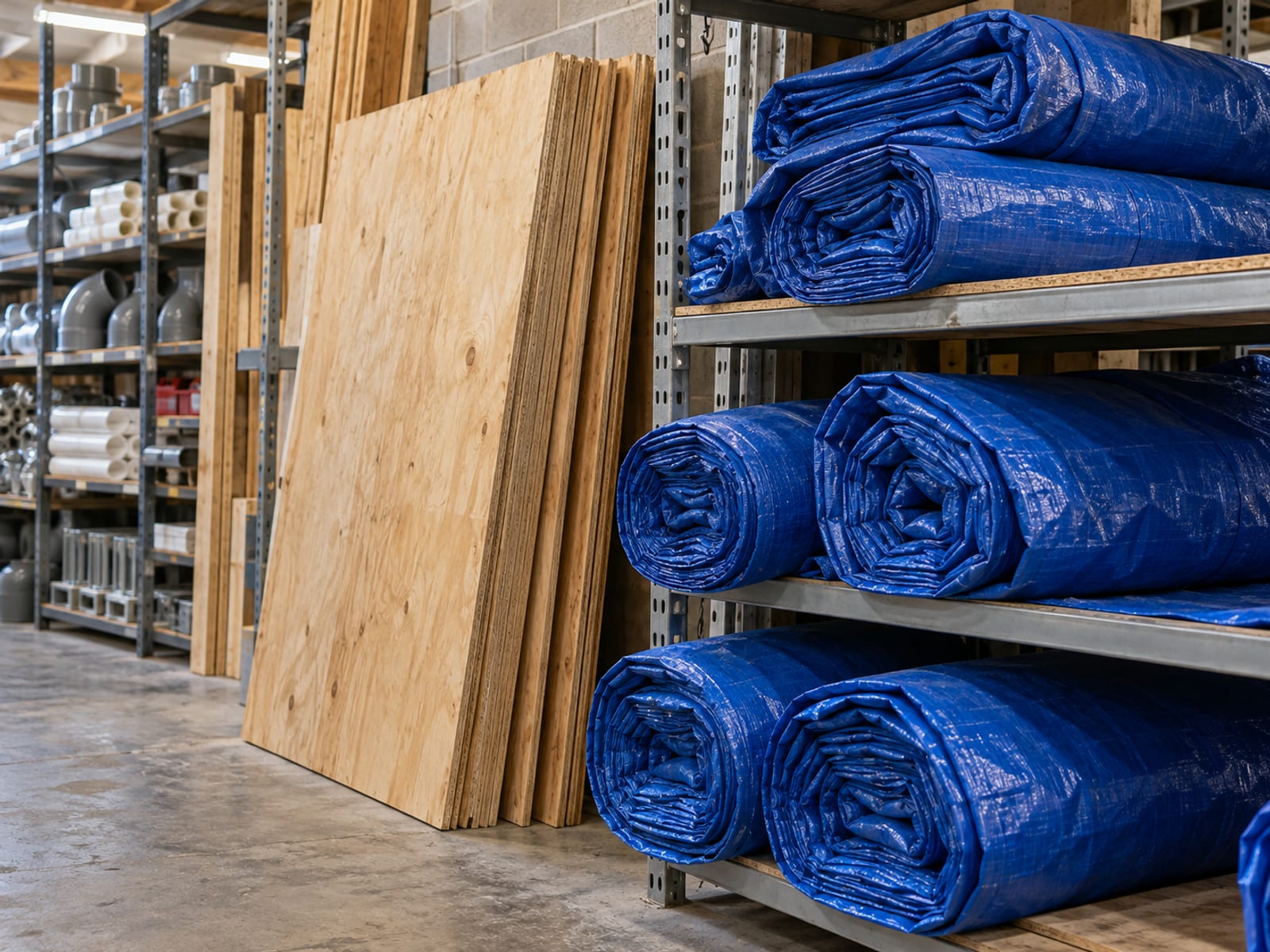
A hardware branch is the place to ask about plywood, tarpaulins, zinc sheets, lumber, nails, screws, roof fasteners, hurricane straps, plastic sheeting, buckets, ladders, generators, extension cords, lanterns, fuel cans and hand tools. The hardware stores directory can help you identify branches to contact. For a generator, generator prices in Jamaica and what size a house needs covers the choice. Building materials, paint and tile stores may carry larger construction items, but the branch should confirm the exact grade, length, thickness and price.
Wholesalers may suit a small shop, workplace or community group buying larger quantities of food, water, cleaning products or paper goods. Use the wholesalers directory and ask about minimum orders, pack quantities, business eligibility, payment arrangements and collection or delivery terms. Those conditions differ by business.
Water suppliers may sell cases, five-litre containers, five-gallon bottles and refills. Ask if the water is potable, whether empty containers are accepted for exchange, whether a deposit applies and what the current price is.
Fuel stations and approved fuel retailers may sell petrol or diesel for vehicles and generators, subject to their current rules and safe-storage requirements. Buy only the fuel your household can store and use safely. To look after the car before a storm, see protecting your car in hurricane season.
After a disaster, relief or community distribution points may provide water, ready-to-eat meals, tarpaulins, blankets, hygiene products and other emergency items. If you are buying for a community, parish disaster committee or organised relief effort, coordinate the required items before purchasing in bulk.
What the 2026 season forecast means for your shopping
Jamaica Information Service reported a 55 percent likelihood of below-normal Atlantic activity for 2026 and confirmed the June 1 to November 30 season. NOAA’s May 21, 2026 outlook forecast 8 to 14 named storms, 3 to 6 hurricanes and 1 to 3 major hurricanes, also giving a 55 percent probability of a below-normal season. ODPEM’s hurricane guidance still advises preparation because a seasonal forecast does not protect a particular parish from a dangerous storm.
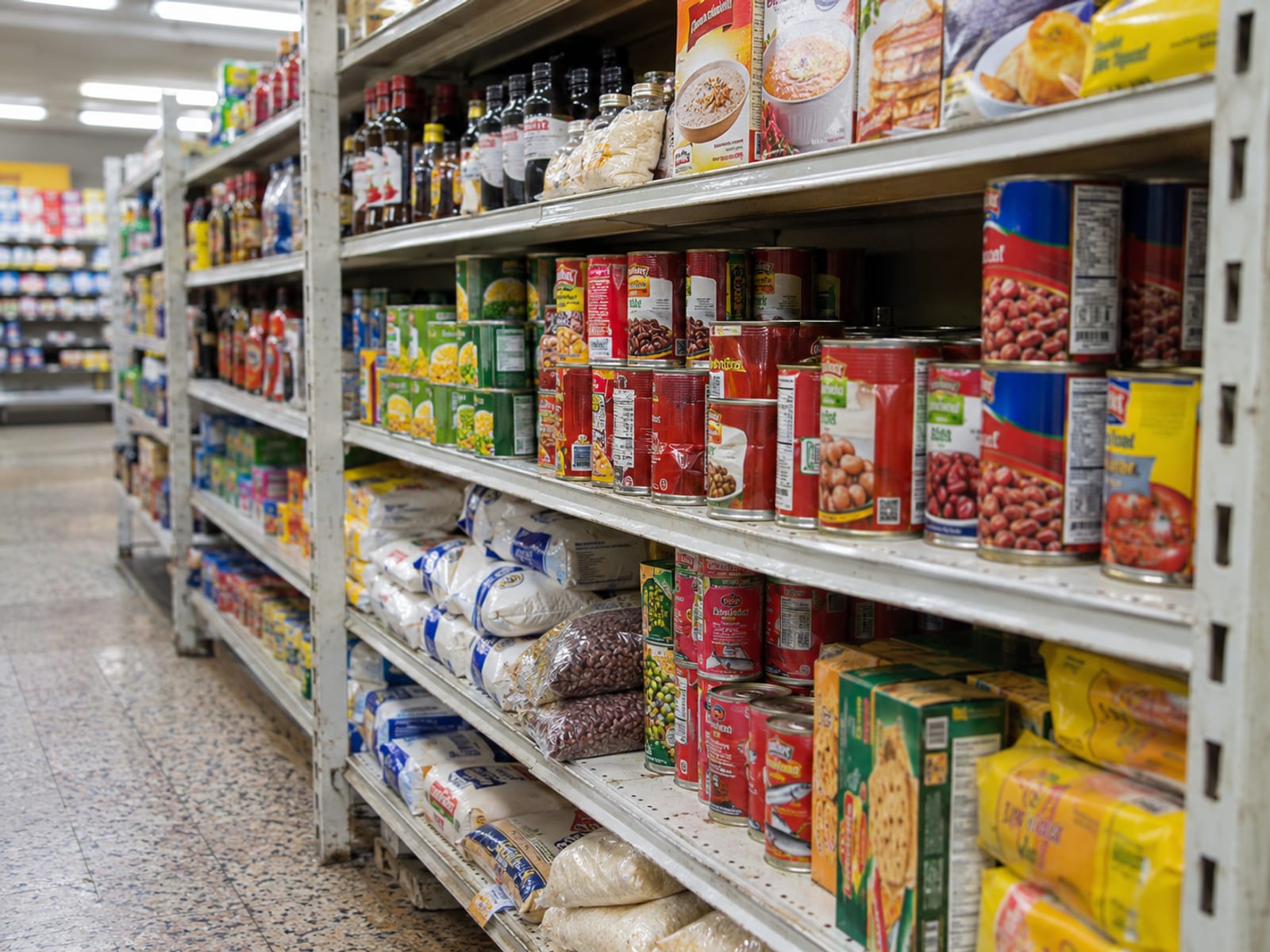
The experience before and after Hurricane Melissa shows why timing and branch-level information matter. Before landfall on October 28, 2025, shoppers crowded supermarkets for bottled water and other essentials. Jamaica Observer reporting described shelves being emptied of rice, flour and canned goods. Sampars reported heavy demand for batteries, tinned food and snacks, while Hi-Lo increased inventories of bottled water, canned goods, hygiene products and batteries.
Disruption varied by location and item. Distributors considered national food stocks healthy, but the buying rush and a temporary pause in manufacturing and deliveries affected individual store inventories. Retailers also drew on stock intended for the Christmas season.
After landfall, roads, electricity, water systems and communications affected ordinary shopping. AP reported that more than 60 percent of Jamaica was without power on October 31 and that nearly half of water systems were offline. Some communities needed food, clean water and tarpaulins while blocked roads delayed relief convoys.
A branch may reopen at a different time from another branch in the same chain. Ask about storm hours, payment methods, the route to the location and the item you need. Call the branch before you travel if the errand depends on one particular product.
Published price points for selected supplies
The prices below belong to named Jamaican sellers and specific item descriptions. Plywood grades, thicknesses, water brands, case sizes and battery packs differ, so compare the full specification rather than the number alone. For wider wood prices, see lumber, plywood and sand prices in Jamaica.
Graham’s listed tarpaulins range from J$800.00 for 6 x 8 feet to J$4,500.00 for 20 x 20 feet. DIB’s listed plywood prices range from J$2,104.35 for 3/16-inch dress ply to J$9,104.35 for T1-11 ply, with different specifications. Listed hurricane straps, such as Graham’s 6-inch strap and WGL Hardware’s 90-degree strap, range from J$132.82 to J$200.00 per strap.
For water, the listed 500 ml case prices include J$908.00 plus GCT at Tropical Blue and J$2,020.00 at Fedlin for Catherine’s Peak, with different brands and case descriptions. Ask the branch for the battery pack size, and for the exact brand, size, grade, thickness, pack count, GCT treatment and current price.
Questions to put to the branch
Keep the questions short and specific. Ask if the item is physically available now, then request the exact brand, size, grade, thickness and pack count. Ask for the current price and whether General Consumption Tax, or GCT, is included.
For a supermarket, wholesaler or water supplier, ask:
- Is there a quantity limit per customer?
- Do you have potable water, refills, empty containers or a bottle-exchange requirement?
- Are canned food, batteries, soap, bleach and garbage bags available in the quantity needed?
- What are the minimum order, pack quantity and payment terms?
- Do you accept cash, debit cards, credit cards and electronic payments?
For a hardware branch, ask whether it has plywood, tarpaulins, zinc, lumber, fasteners, hurricane straps, generators or fuel cans in the required specification, and whether a generator, fuel can, plywood sheet or tarpaulin can be reserved. Ask whether the branch can load or transport long plywood sheets and other bulky items, and what the return, exchange and warranty terms are for generators, electrical goods and tools. Also ask whether delivery is available in the area, and what the fee, minimum order and expected timing are.
For any branch, ask if it is open, closing early or operating under storm hours. Ask if the item is available at another branch if the first location cannot supply it. Stock and opening arrangements can change quickly during a warning.
Ask the branch about delivery area, fee and timing for your order.
Price protection during an emergency
Jamaica’s Trade Act framework covers necessary goods, including food and drink, personal-care and cleaning products, medical supplies, building and roofing materials, safety supplies, generators, gloves, candles, flashlights, batteries and first-aid kits. A business selling necessary goods cannot charge more than the price charged before the relevant national emergency or hazard under the applicable framework.
On October 24, 2025, the Prime Minister declared Jamaica a threatened area because of Tropical Storm Melissa. The related Trade Order prohibited retailers from increasing prices on essential goods during the declared period. The Government stated that a conviction could attract a fine of up to J$1 million.
A change caused by supply, transport or other market conditions is not automatically price gouging. Keep the receipt, item description, seller, branch, date, old price if available and new price if you want to report a concern. The Consumer Affairs Commission handles reports through the Consumer Affairs Commission website, 876-619-4222, 1-888-225-5222 and 876-906-5425.
Buying for hurricane victims
For a household or community affected by a storm, useful supplies include safe drinking water, storage containers, ready-to-eat meals, rice, beans, sardines, powdered milk, cooking oil, tarpaulins, soap, bleach, disinfectant, garbage bags, sanitary products, diapers, batteries, flashlights, lanterns, radios, blankets and sturdy footwear.
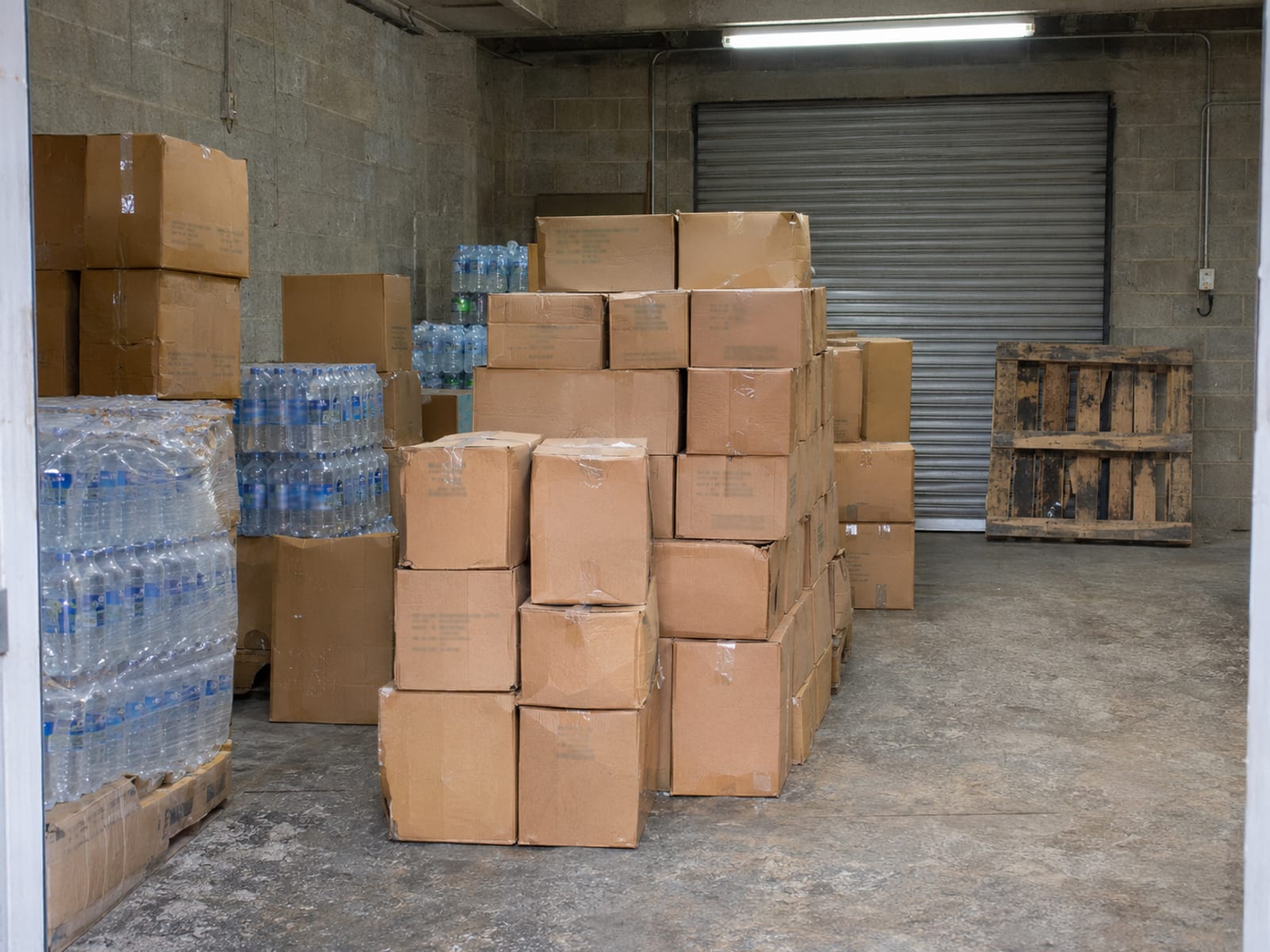
Buy baby food, medical supplies and pet food according to the needs identified by the receiving community. Building materials such as zinc, lumber, plywood, nails, screws and roof fasteners may help when an organised recovery effort requests them.
The Government of Jamaica’s preliminary needs list for Hurricane Melissa included batteries, collapsible water containers, lanterns, food-storage bins and portable water tanks (for household storage, see water tank prices in Jamaica by gallon size). Jamaica Customs Agency guidance covers hurricane relief items, and AP identified clean water, tarpaulins, canned proteins, hygiene supplies and cleaning supplies as major immediate needs after Melissa. For a large donation, contact an official relief organisation, parish disaster committee, recognised charity or government relief channel before buying in bulk.
Common questions
What supplies are needed for a hurricane in Jamaica?
You need drinking water, non-perishable food, prescription medicines, a first-aid kit, flashlights, spare batteries, a radio, sanitation products, clothing, sturdy footwear, rain gear, blankets, phone charging equipment, cash and waterproof storage. Add plywood, tarpaulins, fasteners, a generator or fuel containers only when the home and household can use those items safely.
What are 10 items in an emergency kit?
Ten practical items are drinking water, non-perishable food, a flashlight, spare batteries, a battery-operated radio, a first-aid kit, prescription medicine, a manual can opener, soap and sanitation products, and cash with phone-charging equipment. Your household may also need baby supplies, pet food, special foods or medical items.
When is hurricane season in Jamaica?
Jamaica’s Atlantic hurricane season runs from June 1 through November 30. Storms can occur outside the official season, so keep essential supplies maintained and follow current advisories from the Jamaica Meteorological Service and ODPEM.
What should I buy for a hurricane?
Buy water and food first, followed by medicine, first-aid supplies, hygiene products, flashlights, batteries, a radio, a manual can opener, candles, garbage bags, bleach, phone chargers, cash and waterproof document storage. Add rain gear, sturdy footwear, blankets, baby supplies, pet food and building materials based on the household’s needs.
What are hurricane straps?
Hurricane straps are metal connectors that tie roof rafters or trusses to wall plates and the main building structure. The correct product, spacing, fasteners and connection depend on the roof and building, so ask a qualified builder or engineer about installation.
What should I buy for hurricane victims in Jamaica?
Start with safe water, containers, ready-to-eat or non-perishable food, tarpaulins, soap, bleach, disinfectant, sanitary products, diapers, batteries, flashlights, lanterns, blankets and sturdy footwear. Buy building materials or medical supplies when the receiving relief effort identifies those needs.
For a branch in the parish where you are shopping, use the Jamaica shops directory to find the relevant store page and contact the branch about current stock, hours and payment.