
Start by contacting the shipping agent or freight forwarder to confirm that your barrel has arrived and where it is stored. Ask whether it is released for collection and what you must pay before going to the warehouse.
For a normal non-commercial barrel containing personal effects, Jamaica Customs Agency publishes a minimum or flat charge of JMD$6,500, subject to change, but your total may also include agent, warehouse, storage, duty and tax charges. Jamaica Customs barrel-clearance instructions set out the collection steps and documents.
You should also prepare your government-issued identification, TRN information, shipping documents, invoice or receipts where applicable, and any permit or authorisation required. The timing depends on whether the barrel has been located, whether your papers are complete and whether Customs needs further examination or valuation.
Before you leave for the warehouse
The first call is to the shipping agent, freight forwarder or warehouse. Ask whether the barrel has arrived and is ready for collection, the exact warehouse and port entrance, opening hours, the collection address, and the documents needed at the gate.
Ask for an itemised statement covering the shipping-agent handling charge, warehouse handling charge, storage, delivery and any other amount due before release. Also ask whether storage charges increase after a particular date. These details belong to the shipment and the company handling it, so another agent’s procedure or price should not be used for your barrel.
Have the Bill of Lading, Airway Bill, delivery order or shipping notice available. If the contents include goods that may need approval, ask whether an import permit, licence or other document is required. A packing list, invoice or receipts can help Customs assess what is inside and how the value was worked out.
If the barrel is being collected by someone other than the named consignee, ask the agent what it requires and prepare the written authorisation before travelling. The JCA personal-shipment requirements include a letter signed and stamped by a Justice of the Peace, the consignee’s TRN and the consignee’s valid identification. Photocopied documents must also be signed and stamped by a JP.
Documents to carry
Carry these where they apply. For identification, bring your passport, National ID or Jamaican driver’s licence, along with your TRN card or TRN information. For the shipment, bring the Bill of Lading or Airway Bill, plus the shipping notice, delivery order or other papers supplied by the agent.
For the contents, bring the proper invoice, and a packing list or receipts. Add the import permit or licence if the goods need one, and the Unaccompanied Baggage Allowance Slip.
The JCA Citizens’ Charter also supports carrying the documents needed to identify the importer, describe the goods and support the Customs declaration.
If you are clearing for another person, carry your own valid identification, the consignee’s TRN and valid identification, and the JP-signed and stamped authorisation letter. Keep the original documents together and make copies where useful, but have the copies properly signed and stamped when the requirement applies.
The sender overseas should give the consignee the shipping details before the barrel arrives. If the barrel contains several types of goods, a simple packing list with descriptions, quantities and receipts can make the examination easier. Items that may be commercial, restricted or subject to a permit should be identified before shipping.
The Jamaica Customs barrel-clearance procedure
The published procedure follows the movement of the barrel from the shipping agent to the warehouse and then through Customs.
First, collect the shipping documents from the shipping agent and pay the agent’s handling or storage charges. Then go to the public bonded warehouse where the barrel is stored, and present your valid identification, TRN and shipping documents to the Customs Supervisor. Present the shipping documents to warehouse security as well, and wait for the barrel to be located.
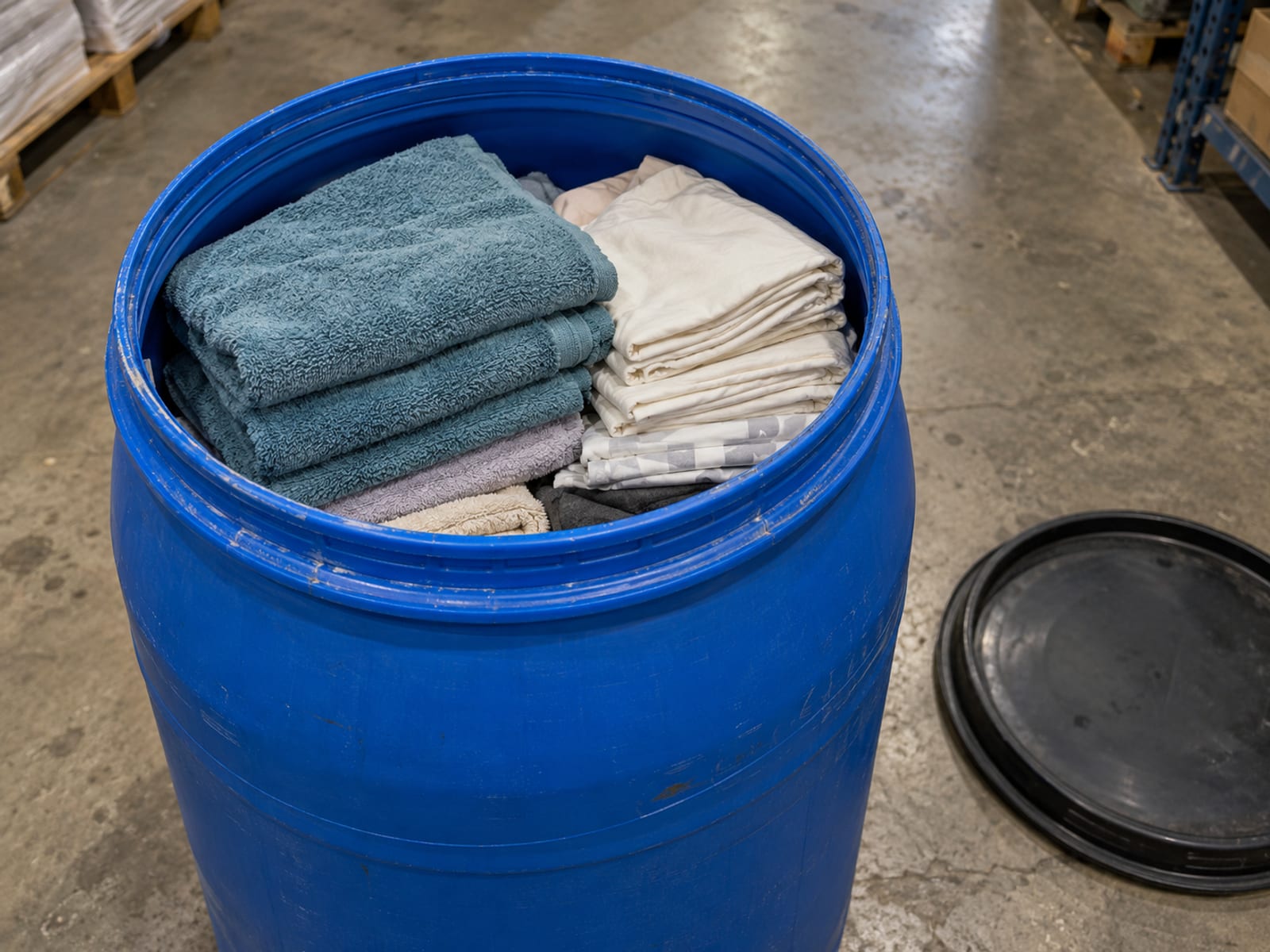
Next, open and unpack the barrel for Customs examination. Section 227 requires the importer to unpack and repack the shipment, so bring enough time to arrange the contents again after examination. After that, pay the Customs charge at the Customs cashier, take the Release Order to the warehouse operator and receive a Gate Pass.
The JCA five-step barrel document states, “After you have paid, take the Release Order to the Warehouse Operator who will issue a Gate Pass.” The JCA barrel page was accessed on October 28, 2026.
The exact warehouse entrance, collection arrangement and opening hours should come from the shipping agent or warehouse handling your shipment. Ask whether collection is available on the day you intend to go and whether the barrel has been selected for additional examination.
How the charges are worked out
Jamaica Customs Agency publishes a JMD$6,500 minimum or flat charge for a non-commercial barrel containing personal effects, subject to change. The JCA barrel-fee question explains that this amount is not necessarily the complete amount payable to every party.
Your other charges may include shipping-agent handling charges, warehouse handling charges and storage charges. On the Customs side, they may include Customs duty, General Consumption Tax (GCT), and Special Consumption Tax (SCT) on certain alcohol, tobacco and petroleum products.
There is also a Standard Compliance Fee of 0.3% of CIF value, an Environmental Levy of 0.5% of CIF value and a Customs Administrative Fee. Stamp Duty and Additional Stamp Duty apply where applicable, and permit, licence, broker or other port charges can be added.
The JCA duties and taxes information says rates vary according to the commodity being imported. The tariff classification, description, quantity, value and any applicable concession all affect the amount. For goods bought online rather than shipped in a barrel, see how customs duty is worked out on an online order to Jamaica.
CIF means the cost of the goods plus insurance and freight to the place of importation. Customs may request an invoice, shop receipt or other evidence of value. If the declared value needs further review, the JCA valuation methodology explains the basis used for assessing imported goods.
Before payment, ask for the amount due to be separated into Customs charges, shipping-agent charges, warehouse or storage charges and delivery or port charges. That gives you a clearer amount to arrange and helps you identify which party should answer a question about a fee.
Allowances, concessions and relief goods
A personal barrel is not automatically free of duty. Personal and household goods may qualify for a particular allowance or concession, but eligibility depends on the contents, the importer’s status and the documents presented.
Arriving passengers aged 18 or older may receive a duty-free allowance for personal and household effects, including gifts, up to US$1,000 or the Jamaican-dollar equivalent. Unaccompanied goods may use the unused part of that allowance when the traveller presents the stamped passport or Immigration Kiosk Slip with the other clearance documents. The JCA personal-items information sets out the relevant treatment.
Returning residents may qualify for a one-time concession on specified personal and household effects, tools, machinery and equipment. The policy includes Jamaican nationals aged 18 or older who have lived overseas for three consecutive years and are returning permanently, along with specified students, spouses and deportees. Household effects must generally be for personal use rather than resale and must arrive within the permitted period. The JCA returning-resident policy gives the conditions and entitlement details.
Ask Customs or the shipping agent whether the specific contents qualify before the barrel is shipped, and see what to pack in a barrel to Jamaica, and what you cannot send before you fill it. Used clothing, for example, is dutiable whether new or used, with duty based on CIF value. The JCA duty information also covers the treatment of different imported goods and applicable duty questions.
Charity and disaster-relief goods have separate requirements. A registered charity, an import coordinated through the Office of Disaster Preparedness and Emergency Management, or another qualifying relief shipment may need specific approvals and supporting documents.
Hurricane Melissa relief measures were announced for eligible recovery imports and donations after October 28, 2025. The relief period was extended to December 31, 2025, and later reported by JIS as extended to January 15, 2026. The JIS relief-period notice gives the extension details. That time-limited arrangement should not be treated as a permanent exemption for ordinary personal barrels.
How long clearance can take
The physical Customs processing may be short after the barrel has been located and the documents, examination and payment are complete. A 2016 JIS report quoting a JCA Customs Manager gave an estimate of 30 minutes to one hour for processing once the barrel was located. That is an older operational estimate, so your shipping agent or warehouse should give you the expected collection date for the current shipment.
The full errand may take longer when the barrel is awaiting arrival, discharge or warehouse location. What shipping a barrel to Jamaica costs and how long it takes covers the sailing side.
Other causes of delay start with the paperwork: missing identification, TRN, shipping documents or invoice, incorrect or incomplete declarations, unpaid agent, warehouse or Customs charges, and an available Unaccompanied Baggage Allowance that was not given to the freight forwarder. Delay can also follow from a discrepancy found during examination, or a permit, licence or approval requirement.
Further causes include additional valuation checks, risk-based intervention, physical examination or random selection, and port congestion, storage issues or seasonal volume.
The JIS clearance-procedure notice describes the importance of proper documentation and processing arrangements for shipments. Before travelling, ask the agent whether the barrel has been detained, selected for another examination or placed on hold for a missing document.
Contactless Clearance
Eligible non-commercial maritime cargo valued under US$5,000 CIF may qualify for the Contactless Clearance Process. Under that arrangement, the importer does not have to be physically present for the inspection, subject to the freight forwarder’s request and Customs approval. The JCA Contactless Clearance brochure sets out the eligibility and process.
Ask the freight forwarder whether the specific barrel qualifies and whether it has submitted the request. Contactless Clearance does not remove the need for accurate documents, payment or any permit required for the contents.
The JCA also has online and mobile Customs-service functions that support activities such as duty estimation, tariff searching, declaration tracking and duty payment. A court resolution reported in October 2025 confirmed continued implementation of Contactless Clearance for consignments valued at US$5,000 or less. The JCA court-resolution notice covers that development.
Shopping after the barrel is cleared
Once the barrel is released, you may still need to buy household supplies, replace an appliance, finish a building project or restock a small shop. For food and household basics, use the supermarkets and grocery stores directory. For lumber, cement, steel, tools, paint and other building needs, use the hardware stores directory. For beds, sofas, dining sets and other household pieces, use the furniture stores directory.
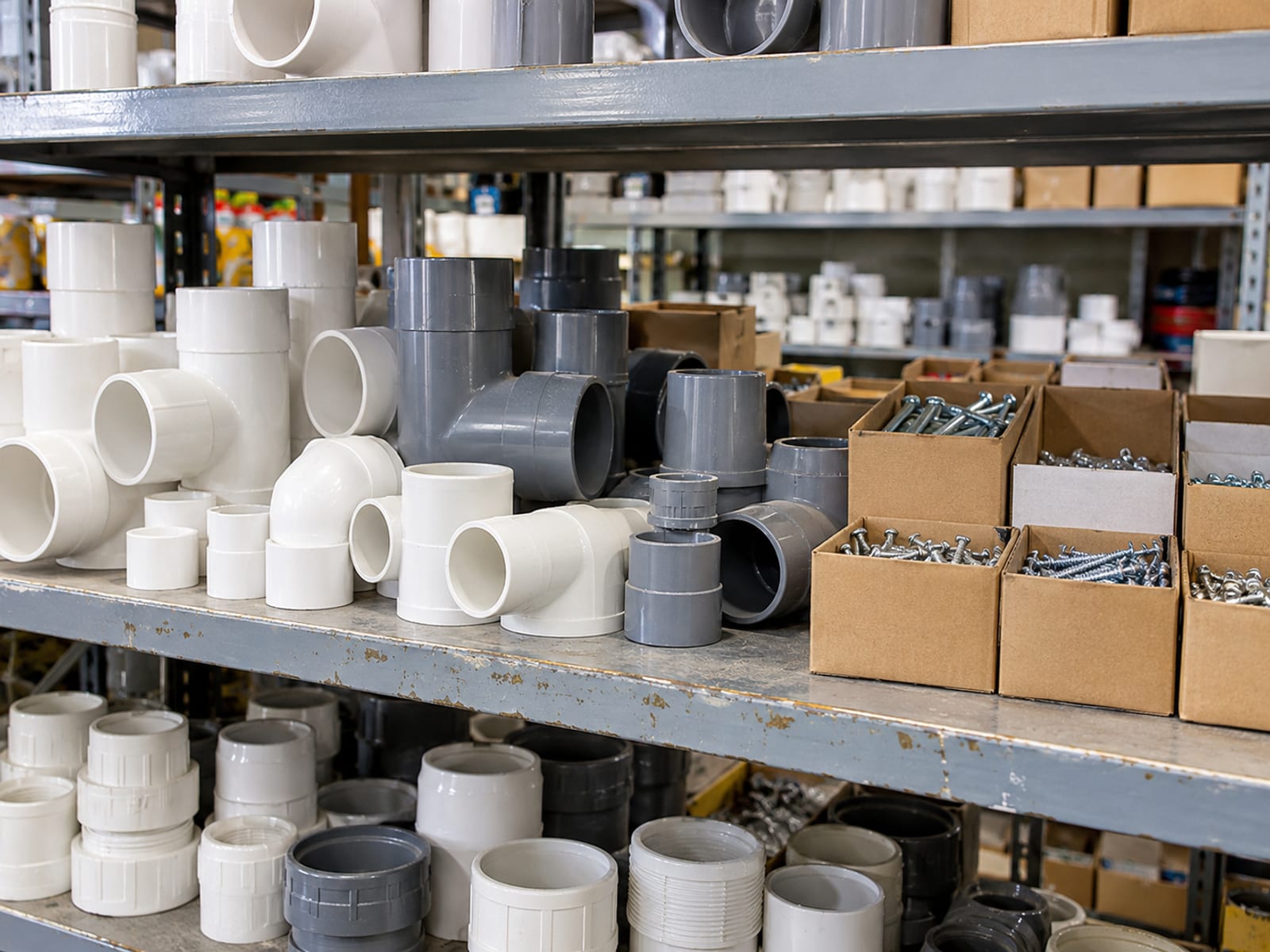
When you contact a branch, ask about the item, pack size, current price, whether GCT is included, payment methods and the total for the quantity you need. For hardware, also ask whether the item is sold by piece, bundle, sheet, bag or length. For furniture, ask separately about dimensions, delivery, assembly and installation. A store’s opening hours and phone number establish those details only, so stock, delivery coverage, assembly and return arrangements should be discussed with the branch.
If you are sending goods to Jamaica for a building project, compare the cost of shipping the item with buying from a Jamaican hardware business. The practical questions are the same: item specification, quantity, freight, Customs treatment, delivery and the time needed before the work starts. The building in Jamaica from abroad guide covers the questions that come with a build planned from overseas, and the JCA duties and taxes breakdown can help you keep the Customs portion separate from the store purchase.
Common questions
How much does it cost to clear a barrel in Jamaica?
For a non-commercial barrel containing personal effects, Jamaica Customs Agency publishes a minimum or flat charge of JMD$6,500, subject to change. The JCA personal-effects fee information also points to separate charges that may arise from the agent, warehouse, storage provider, port or delivery service.
How long does it take to clear a barrel in Jamaica?
After the barrel is located, a 2016 estimate placed Customs processing at 30 minutes to one hour. The JIS Customs processing report links efficient processing with having the required information and documents ready, while warehouse location, examination, permits and payment can extend the errand.
What documents do I need to clear a barrel in Jamaica?
Carry government-issued identification, TRN information and the Bill of Lading or Airway Bill, together with an invoice, packing list, receipts, permit or licence where applicable. For a representative, carry the consignee’s TRN and identification plus a JP-signed and stamped authorisation letter.
Do I have to pay customs on a barrel sent to Jamaica?
You may have to pay duty and taxes depending on the goods, their tariff classification, CIF value and any allowance or concession that applies. The JCA duty breakdown information covers the Customs charges that may apply, while the JMD$6,500 barrel charge is a separate published amount for a non-commercial personal-effects barrel.
How do I clear a barrel at the wharf in Jamaica?
Collect the shipping documents, pay the agent’s charges, take your identification and TRN to the bonded warehouse, present the papers to Customs and security, unpack the barrel for examination, pay the Customs amount, then take the Release Order to the warehouse operator for a Gate Pass. The warehouse or freight forwarder should give you the exact entrance, collection hours and release requirements.
What are the customs clearance fees in Jamaica?
Possible Customs charges include import duty, GCT, SCT on specified products, the Standard Compliance Fee, Environmental Levy, Customs Administrative Fee, Stamp Duty and Additional Stamp Duty where applicable. The JCA duties and taxes page explains that the rate depends on the commodity, while agent, warehouse, storage, broker and port charges are separate.
For the branch or parish where you will shop after collection, use the relevant directory page and call the store to discuss the item, quantity and collection arrangements.