
Before you shop in Jamaica, settle the payment method with the specific branch. Ask whether it accepts US-dollar cash, what rate it uses, whether change comes in Jamaican dollars, and whether the quoted price includes GCT. Carry a card and some Jamaican dollars as well, because supermarkets, wholesalers, hardware stores, furniture stores and liquor stores can set different payment policies.
The Jamaican dollar is Jamaica’s currency and legal tender under the Bank of Jamaica currency legislation. US dollars may be accepted by some businesses, but acceptance is not universal. Your shopping plan should match the store, branch and payment method you will actually use.
How currency conversion works in Jamaican stores
Jamaica’s foreign-exchange market is liberalised. Licensed cambios and authorised dealers set their own rates, while the Bank of Jamaica collects transaction information and publishes daily weighted-average rates for major currencies. The Bank of Jamaica foreign-exchange market gives you a reference for comparing rates.
That reference rate is not the rate every shop, bank, cambio or ATM must use. A store may accept US-dollar cash using its own rate, or it may require payment in Jamaican dollars. A card network or bank can also apply its own conversion rate and fee.
A visitor exchanging US dollars generally compares the operator’s US-dollar buy rate. This is the rate used when the operator buys your US dollars. The Bank of Jamaica eGATE page displayed these weighted-average US-dollar rates for 10 August 2026:
- Buy rate: US$1 = J$157.4040
- Sell rate: US$1 = J$159.0330
Using the published buy rate, the calculation looks like this:
The Bank of Jamaica eGATE weighted-average rates show the reference figures for that date. The amount you receive can differ because the bank, cambio, card network or shop may use a different rate, spread or fee.
When a price is displayed in J$, do not assume the shop will convert it at the Bank of Jamaica rate. Ask for the store’s cash rate before handing over US dollars.
What to ask before you shop
The first call or message should deal with payment, not only the item. Ask the branch whether it accepts US dollars in cash, what exchange rate it is using today, and whether your change will be in Jamaican dollars or US dollars. Ask whether the price is J$ or US$, and whether GCT is included.
Ask whether the branch will accept your foreign-issued Visa, Mastercard or American Express card, and whether you can pay by Lynk, JAM-DEX or bank transfer. Ask whether there is a minimum card purchase or transaction limit, and whether the branch has the required item and pack size.
For a supermarket trip, compare the currency and pack size before comparing prices. For a wholesale purchase, ask about carton quantities, minimum orders, payment arrangements and eligibility. For hardware, ask for the exact measurement, grade, thickness, length or pack size. For furniture, ask separately about delivery, assembly and installation. These are separate arrangements and should be priced separately.
You can use the supermarkets and grocery stores directory when you need a branch for food shopping. For building supplies, compare the hardware stores directory and ask the branch for the item specification and total with GCT. If you are buying a sofa, bed or dining set, the furniture stores directory can help you identify branches to contact about dimensions, delivery and assembly.
Published payment examples
Payment methods differ between businesses and branches. Published policies give useful examples, but one retailer’s terms do not set the rule for unrelated stores.
PriceSmart Jamaica’s local conditions, updated 27 July 2026, state that club cashiers accept cash, Visa, Mastercard and American Express. PriceSmart.com uses Jamaican dollars for payment, and membership prices quoted in US dollars are paid in Jamaican dollars using the Central Bank of Jamaica exchange rate on the purchase date. Read the PriceSmart Jamaica local conditions for the policy that applies to PriceSmart, and see PriceSmart Jamaica membership for how the club works.
Shopsampars.com states that it accepts J$ and US$ for online payment. Its listed online methods include Visa, Mastercard credit cards and Scotia Visa Debit. Its displayed online prices exclude GCT, which is added in the shopping cart. The Shopsampars.com payment and FAQ information gives the terms for that online service.
Greenwood Plaza states that its physical stores accept cash, Visa and Mastercard credit or debit cards. Its Greenwood Plaza payment information applies to the stores covered by that business.
JA Deals lists bank transfer or deposit, debit or credit card, PayPal, cash on delivery, Lynk and in-store payment. Its payment page says bank transfers are accepted from local Jamaican banks. See the JA Deals payment methods when that service is the one you plan to use.
The Bank of Jamaica also publishes participating merchants for JAM-DEX. JAM-DEX is Jamaica’s central-bank digital currency and a Jamaica-dollar payment method. The JAM-DEX merchant list can help you identify participating businesses, then you can confirm the payment option with the branch.
GCT and the total on your receipt
General Consumption Tax, or GCT, is payable on goods and services unless the item is zero-rated or exempt. Zero-rated goods attract 0% GCT, while exempt goods receive relief from GCT. The standard GCT rate is 15%, as described in the Jamaica Customs Agency duties and taxes information. For more on how the tax works at the till, see GCT in Jamaica.
Retailers may quote prices inclusive of GCT or add it later. The Fair Trading Commission explains that quoted prices are not required to follow one universal presentation, so ask whether the shelf price, online price or quotation includes GCT. The Fair Trading Commission shopping notice also supports checking the final amount before payment.
This matters when you compare a J$ price with a US-dollar price. A J$10,000 item with GCT included is not directly comparable with a J$10,000 item that will have tax added at checkout. Ask for the total in the currency you will pay.
For food, hardware, furniture and liquor, ask whether GCT applies to the exact item, pack size and quantity. A general category does not tell you the tax treatment of every product.
Where to exchange US dollars or get Jamaican dollars
Visitors can exchange US dollars through licensed commercial banks, licensed cambios and other authorised foreign-exchange dealers. The Bank of Jamaica eGATE directory of authorised locations lists operators such as banks, cambios, investment companies and other businesses the Bank of Jamaica authorises.
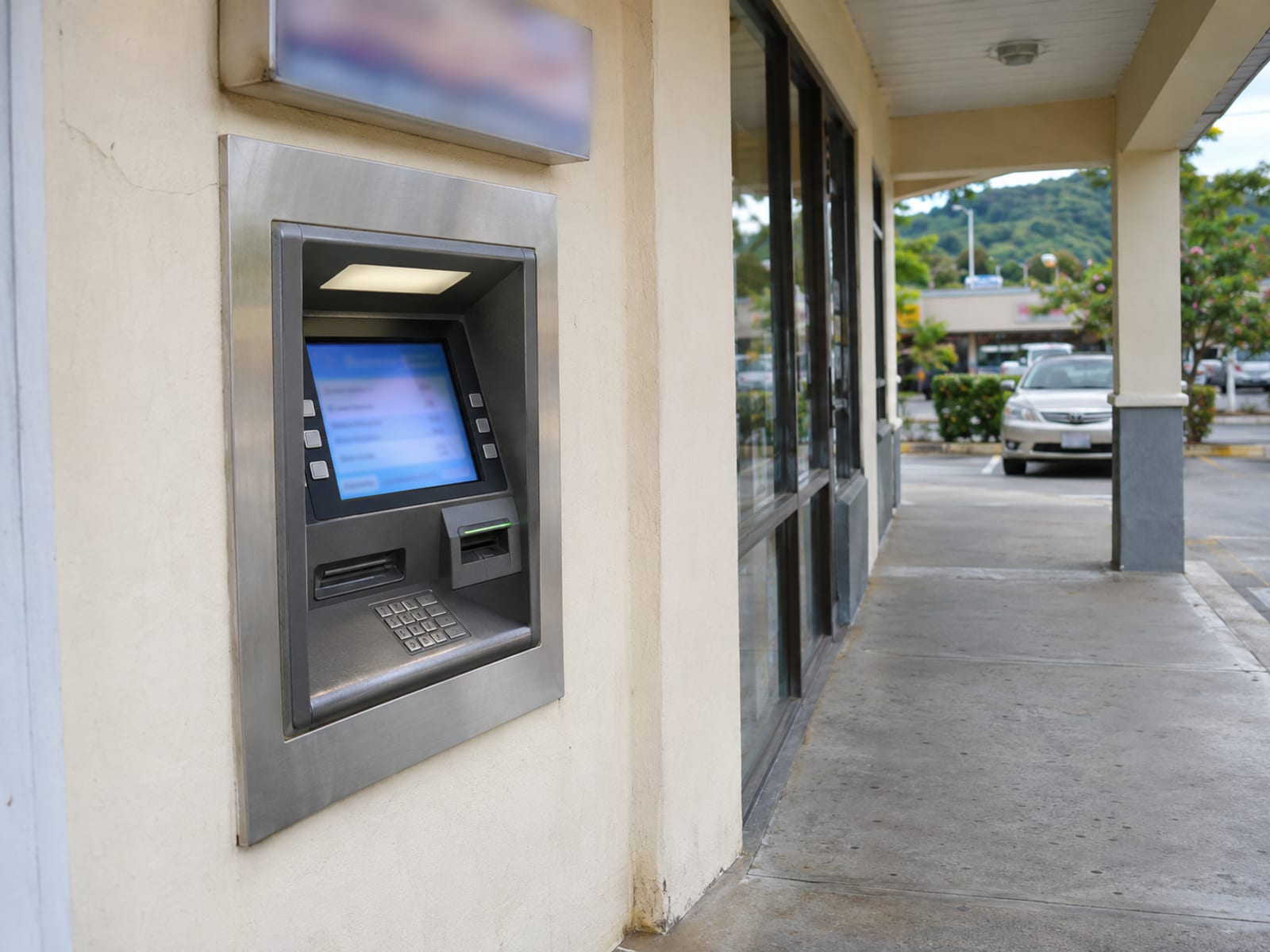
You can also withdraw Jamaican dollars from an ATM operated by a Jamaican bank or from a card-network ATM that accepts your card. Check the rate, fee and withdrawal amount on the screen before confirming the transaction.
Scotiabank Jamaica publishes different foreign-exchange rates for branch, ATM and online transactions. Its Scotiabank foreign-exchange rates show why the transaction type matters.
Scotiabank also states that selected dual-currency ATMs provide JMD and USD. Its ATM information can help you identify the service available at a particular machine.
The Scotiabank retail banking fee guide effective 1 June 2026 lists J$60 for an approved withdrawal from a non-Scotiabank ATM for its Jamaican accounts and US$2.97 for withdrawals using overseas machines through Cirrus. The Scotiabank retail fee guide also makes clear that your home bank or the ATM operator may add other charges.
Keep enough Jamaican dollars for small purchases or branches that do not take foreign cash or cards. If you are shopping around Kingston and St. Andrew, use the Kingston store directory and St. Andrew store directory to identify nearby branches.
Carrying cash into Jamaica
You may bring cash or bearer-negotiable instruments into Jamaica. Currency or monetary instruments exceeding US$10,000, or the equivalent in another currency, must be declared to Customs.
The Jamaica Customs Agency C5 arrival form asks whether you are carrying currency or monetary instruments over US$10,000 or the equivalent. The declaration includes information such as the source and intended use of the funds. Complete the Jamaica Customs C5 arrival form when the declaration applies.
The Jamaica Customs Agency and Financial Investigations Division stated in October 2025 that carrying more than US$10,000 is not itself illegal, but the amount must be declared and the traveller must be able to verify the source and purpose of the funds. The October 2025 Customs and FID notice explains the declaration requirement.
The US$10,000 threshold concerns currency and monetary instruments. It is separate from the US$1,000 duty-free allowance for qualifying personal and household goods carried by passengers aged 18 or older. The Jamaica Customs Citizens’ Charter covers the passenger allowance and related Customs information.
A practical payment plan for shopping
A simple plan is to carry a card, keep a modest amount of Jamaican cash available and carry US dollars only where the business confirms that it accepts them. Before a larger purchase, compare the total in one currency and include GCT and any delivery, installation or transfer charge.
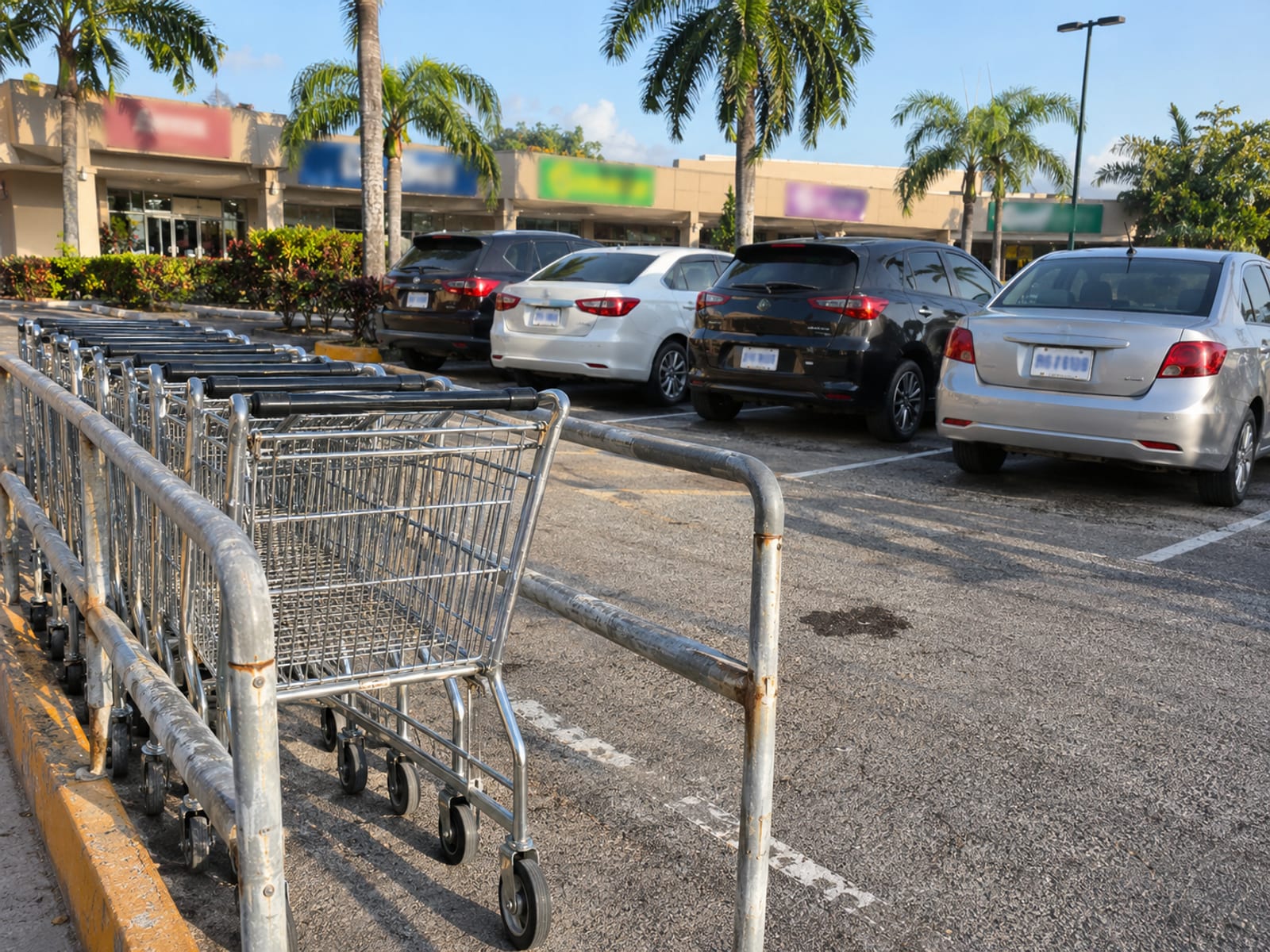
For a supermarket or wholesale run, prepare the item name, brand if required, pack size and quantity. Ask whether the quoted price is for one unit, one case, one bundle or another measure. If you are buying building materials, have the required dimensions and quantity ready. For furniture, have the room measurements and delivery address available before requesting a total.
If you are working out how much cash to carry for meals as well, How Much Money for Food in Jamaica Per Day on Weh Fi Nyam sets out a daily food budget.
If you are shopping in St. Catherine, use the St. Catherine store directory to identify branches, then ask about payment, stock, pack size and the final total. Hours and a phone number establish when and how to contact a branch, so confirm the shopping details directly.
Common questions
Can I use US dollars in Jamaica?
Sometimes. US-dollar cash acceptance depends on the store and branch, and the business may use its own conversion rate. Ask whether US dollars are accepted, what rate applies and whether change will be returned in J$ or US$.
How much is US$100 in Jamaican dollars?
Using the Bank of Jamaica eGATE weighted-average buy rate of J$157.4040 per US$1 on 10 August 2026, US$100 equals J$15,740.40. The amount received from a bank, cambio or store can differ because the operator may use another rate, spread or fee.
Should I take US dollars or Jamaican dollars to Jamaica?
Plan to have access to both, along with a card if your issuer supports use in Jamaica. Jamaican dollars are useful for prices displayed in J$ and for businesses that refuse foreign cash, while US dollars may suit a business that specifically accepts them.
How far does US$20 go in Jamaica?
At the published 10 August 2026 buy rate, US$20 equals J$3,148.08. What that amount buys depends on the item, brand, pack size, branch, GCT treatment and the shop’s current price.
Where can I exchange money in Jamaica?
Use a licensed bank, licensed cambio or authorised foreign-exchange dealer listed through the Bank of Jamaica eGATE directory. You can also use an ATM that accepts your card, but compare the displayed rate and fees before confirming the withdrawal.
How much cash can I bring into Jamaica?
You may carry more than US$10,000, but currency or monetary instruments above that amount, or the equivalent in another currency, must be declared to Jamaica Customs. The declaration threshold is separate from the US$1,000 allowance for qualifying personal and household goods.
For the branch that fits your trip, use the Jamaica store directory and contact the shop about its payment method, exchange rate and final price.