
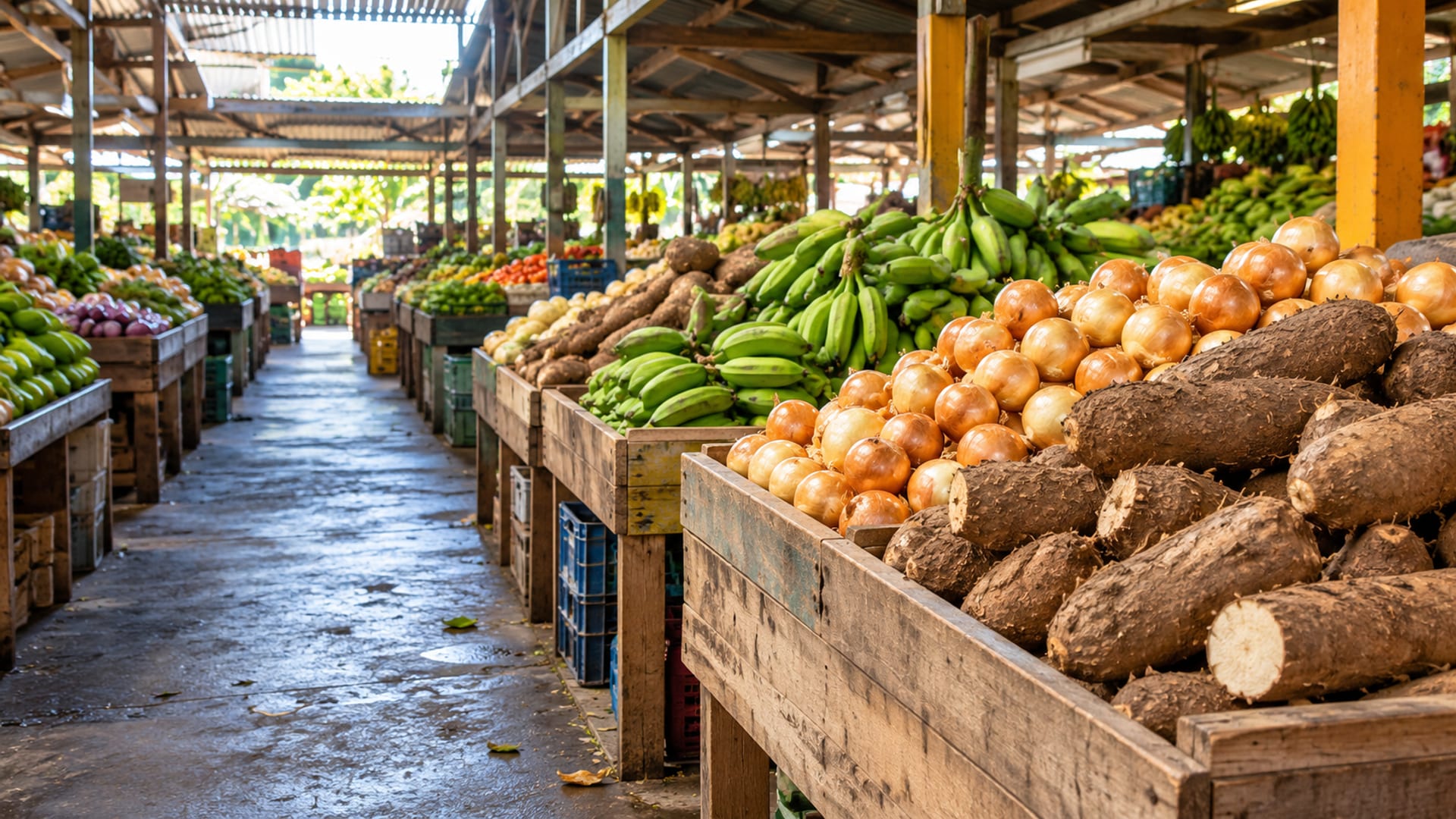
Most GCT-free groceries in Jamaica are exempt, not zero-rated. The exact product, ingredients, processing, origin and pack size matter, so start with the item description on the shelf and receipt before deciding whether GCT was added correctly. Qualifying rice, bread, some flour, whole milk, raw produce, meat, chicken, fish and other listed foods can be sold without GCT, while eggs, cooking oil, prepared food and many packaged goods generally carry it.
If you are checking a supermarket receipt, keep the receipt and look at each product separately. A basket can contain exempt food, taxable groceries, household goods and items subject to other charges.
What “GCT-free” means on a Jamaican receipt
The General Consumption Tax Act, Third Schedule, Part I, lists goods that are exempt from GCT. Jamaica Customs describes zero-rated goods as items that attract GCT at 0%, while exempt goods receive relief from GCT under the exemption provisions. For shoppers, both treatments usually mean that no GCT appears on a qualifying item, but the accounting treatment differs for a registered business. The legal wording in the General Consumption Tax Act controls the classification.
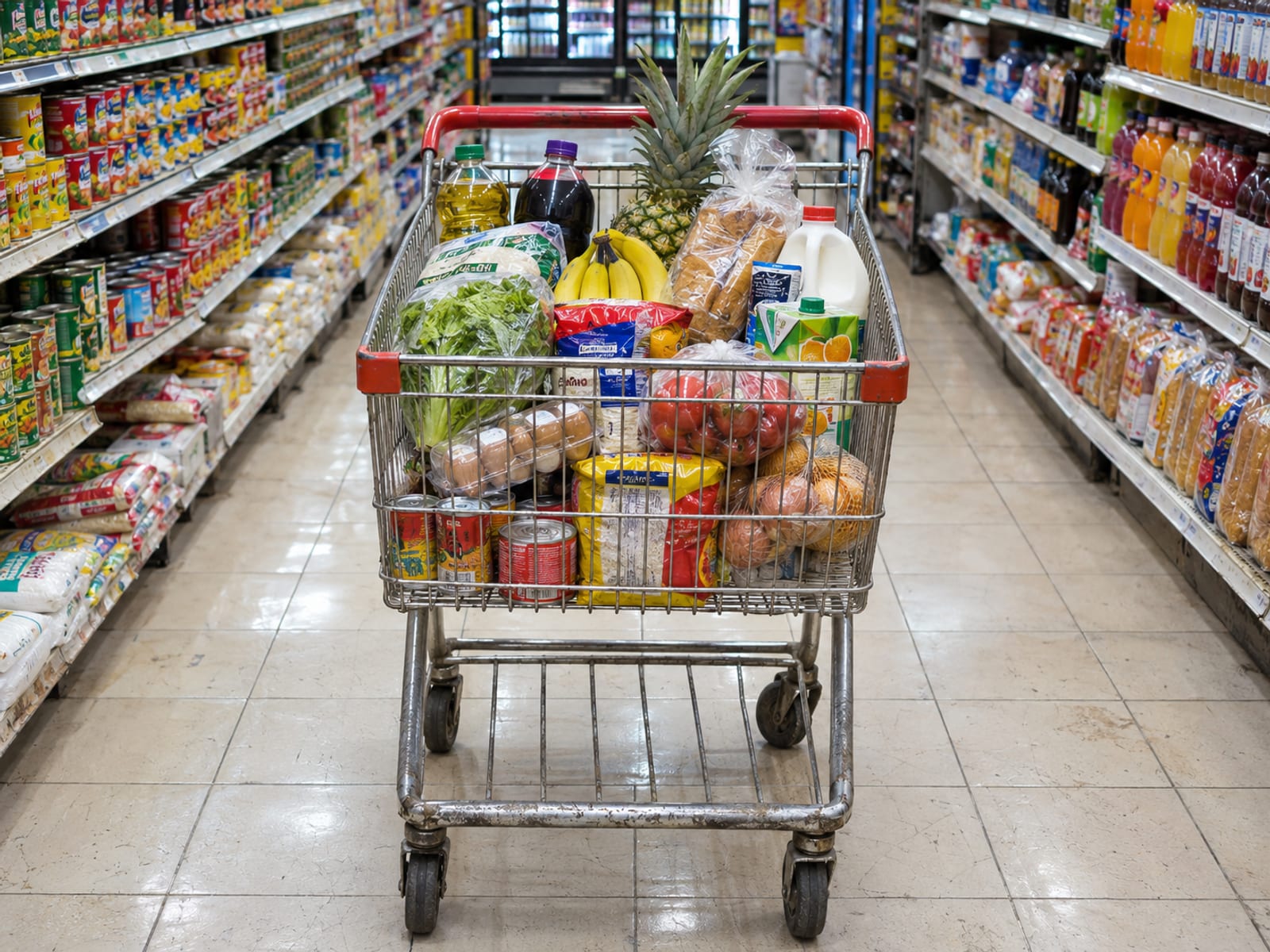
The current grocery treatment is mainly exemption. That means you should not assume that every product in a food category is tax-free. “Rice,” “flour,” “milk,” “fruit” and “water” may describe several products with different ingredients, packaging or processing.
The 2024 budget cycle equalised the treatment of locally produced and imported qualifying raw foodstuff supplied in Jamaica. The Jamaica Information Service announcement on raw foodstuff describes that change. The product still has to meet the statutory description.
Food items that can be exempt from GCT
The exemption schedule includes qualifying raw foodstuff supplied in Jamaica, whether locally produced or imported for the Jamaican market. This includes fresh fruits and vegetables, subject to listed exclusions for certain imported fruits. It also includes ground provisions, legumes, onions and garlic, meat, chicken, and fish, crustaceans and molluscs.
Corn with no additives is covered too, subject only to listed forms of handling such as freezing, chilling, salting, brining, packaging, slicing, mincing, grinding, dicing, chopping or natural drying.
The listed imported fruit exclusions include apples, pears, quinces, apricots, cherries, peaches, nectarines, plums, sloes, berries, grapes and kiwis. Juicing, additives and processing beyond the permitted forms can change the treatment of corn or other raw foodstuff.
Other listed exempt food items include rice, brown sugar, salt, wheat and soya meal. Counter flour that meets the required formulation is listed, and so is baking flour packaged in quantities of at least 45.359 kilograms.
The list also names canned sardines, herrings and mackerel, and infant formula. Qualifying bread and bulla, qualifying water crackers and qualifying liquid and powdered whole milk are listed as well.
For flour, the type and pack size matter. Counter flour must meet the statutory formulation, including specified nutrients and no other additives. Baking flour has a separate exemption for packages of not less than 45.359 kilograms. A smaller baking-flour package does not automatically qualify under that specific provision.
Bread and bulla are exempt when they fall within the statutory bread provision. Water crackers have detailed conditions involving their ingredients, sugar content, flavouring, coating, topping and Bureau of Standards verification. The published amendments to Part I of the Third Schedule provide the wording used for these food descriptions.
Rice, flour, milk, eggs and cooking oil are not treated alike
The easiest way to check a receipt is to compare the product with the legal description, not simply with the name of the grocery aisle.
Milk is a common source of confusion. The exemption covers qualifying liquid and powdered whole milk. Condensed milk, skimmed milk, flavoured milk, milk-based products and milk substitutes are excluded from that exemption.
Eggs are not included in the statutory raw-foodstuff exemption and are generally subject to GCT. Cooking oil is also not included in that raw-foodstuff exemption. A grocery being used in a household meal does not, by itself, make it exempt.
Bottled water needs an item-specific check. Ask the retailer how the exact product is classified and whether the amount shown includes GCT.
Grocery items that generally carry GCT
GCT generally applies to goods and services unless a specific zero-rating or exemption applies.
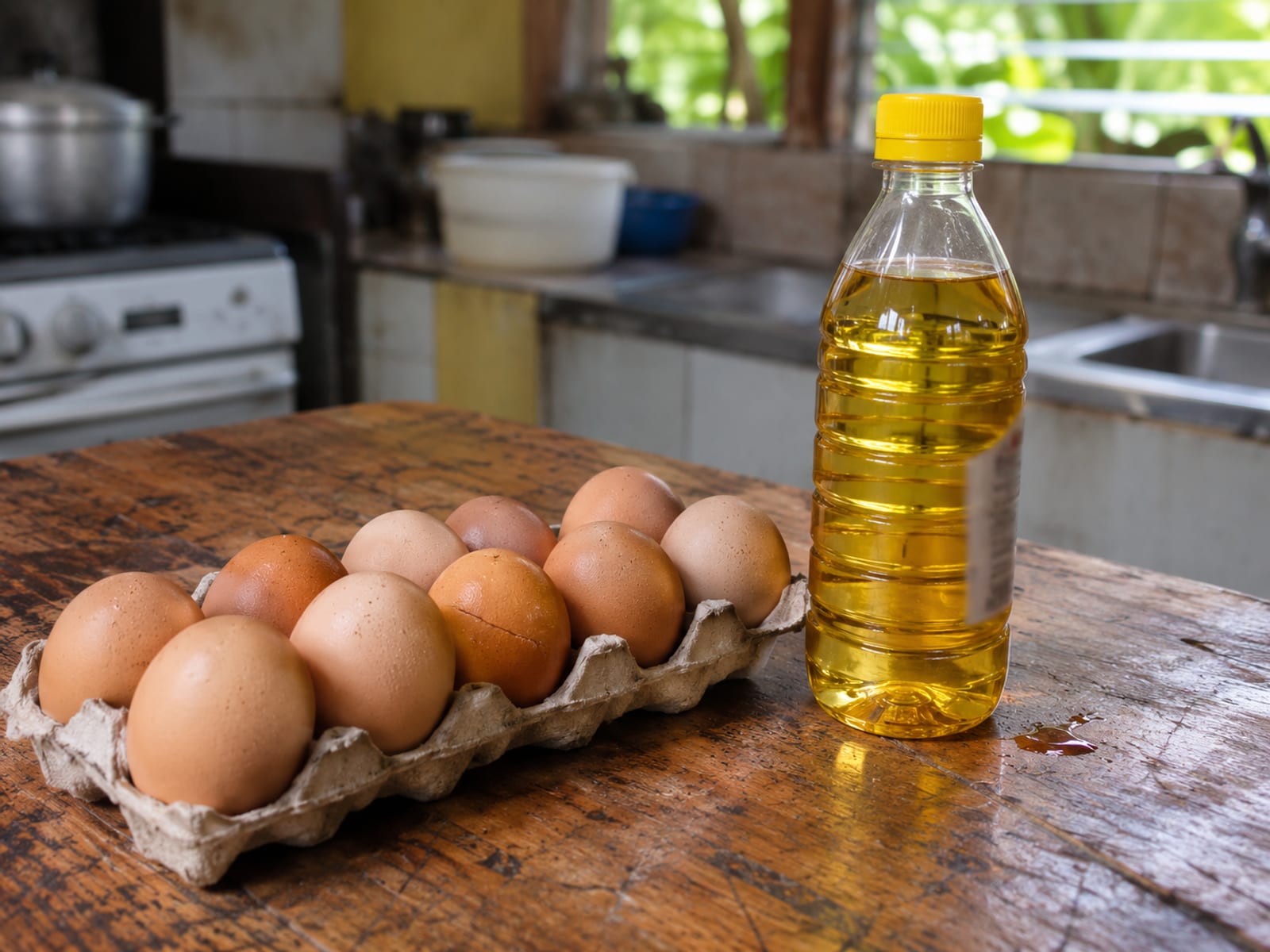
Grocery and household examples that generally carry GCT include eggs, except where a specific statutory exception applies, and cooking oil. Imported fruit excluded from the raw-foodstuff exemption, prepared food and meals, and snacks and confectionery generally carry it too.
Flavoured milk, milk-based products and milk substitutes generally carry GCT, as do soft drinks and other sweetened beverages and alcoholic beverages. So do household cleaning products, paper products, toiletries and other non-food household goods, and packaged or processed foods that do not meet an exemption description.
Alcoholic beverages can also attract Special Consumption Tax, Additional Stamp Duty or other import charges, depending on the transaction. Jamaica Customs sets out the wider duties and taxes that can apply to goods, so GCT alone may not explain the full amount paid.
For alcohol purchases, ask the branch for the total payable and the taxes included on the receipt. Do not treat the GCT line as a complete statement of all charges.
How to check a supermarket receipt
Begin with the exact product description, quantity, unit price and tax line. If the receipt says “flour,” compare the package with the type and weight required for the exemption. If it says “milk,” check whether it is whole milk, condensed milk, flavoured milk or a milk-based product. If it says “fruit,” check the origin and whether the item is fresh, juiced or otherwise processed.

The Consumer Affairs Commission says consumers have a right to a receipt showing the amount paid, purchase date and description of the goods or services. Keep that receipt if you believe GCT was added incorrectly.
Use this process:
- Keep the receipt and mark the exact item, quantity, price and GCT line.
- Check the ingredients, pack size, origin and form of the product.
- Ask the branch to explain the classification and request a correction if the charge appears wrong.
- Ask Tax Administration Jamaica for confirmation of the product’s GCT treatment.
- If the store does not resolve the matter, submit the company name, branch, purchase date, receipt number, amount paid and receipt copy with your complaint to the Consumer Affairs Commission complaint form.
The Consumer Affairs Commission also publishes surveyed grocery and produce prices for named outlets. Its grocery basket information can help you compare dated prices, but you should still ask the branch for the current price, stock, pack size, promotion and whether GCT is included. To work out the 15% on a receipt line, see how to calculate GCT in Jamaica on a receipt.
Questions to put to the branch
A short, specific question is more useful than asking whether “groceries” are tax-free. You can ask whether the product is sold as raw, processed or prepared, and whether the package meets the exemption description for that item. Ask for the pack size and the total price with GCT, and whether the price shown is before or after GCT.
Ask whether a promotion applies at this branch, and whether the branch can issue a detailed receipt showing the GCT line.
For specific products, ask whether the milk is whole milk, condensed milk, flavoured milk or a milk-based product. Ask whether the flour is counter flour or baking flour and what the package weight is, and whether the fruit is imported and whether it is fresh or processed. For anything unusual, ask how the product is classified for GCT purposes.
If you are restocking a small shop, keep the supplier invoice and product description with your records. Ask the supplier or Tax Administration Jamaica about an unusual product before setting the shelf price. Wholesale shopping in Jamaica covers who can buy and how to order.
For the shopping errand itself, you can compare branches through Supermarkets and grocery stores, check bulk purchasing options through Wholesalers, or look at fresh produce options through Markets. Ask each branch about current stock, prices, receipt details, payment terms and collection or delivery arrangements.
What changed in 2025 and 2026?
The major grocery-related change came from the 2024 budget cycle, when qualifying locally produced and imported raw foodstuff received equal treatment. That did not turn every grocery into an exempt item. The food still has to meet the schedule’s description and conditions.
The Ministry of Finance lists current revenue-measure publications on its revenue measures page. The 2025/2026 measures include a GCT reform concerning residential electricity, not a general rewrite of the basic-grocery exemption list. The 2026/2027 measures discuss a proposed Special Consumption Tax on non-alcoholic sweetened beverages, which is separate from the GCT exemption schedule.
A temporary Hurricane Melissa relief programme gave import-duty and GCT relief to qualifying imported donations and relief supplies until the January 15, 2026 hard-stop date. The Ministry of Finance notice on that relief deadline concerns that temporary programme, not a permanent supermarket-grocery exemption.
Common questions
What food items are non-taxable in Jamaica?
Qualifying exempt food items include raw fruits and vegetables within the statutory list, ground provisions, legumes, onions, garlic, meat, chicken, fish, crustaceans, molluscs, qualifying corn, whole milk, wheat, soya meal, counter flour, qualifying bread, rice, brown sugar, salt, infant formula and certain canned fish. The product must meet the conditions in the Third Schedule food exemptions.
Which groceries have no GCT in Jamaica?
Common examples include qualifying rice, bread, bulla, counter flour, large-pack baking flour, whole milk, infant formula, ground provisions, legumes, onions, garlic, meat, chicken, fish, qualifying fresh produce, brown sugar and salt. Eggs, cooking oil, prepared foods and excluded imported fruits generally receive different treatment.
Is bread GCT-free in Jamaica?
Qualifying bread and bulla are exempt from GCT. Water crackers can also qualify when they meet detailed conditions for ingredients, sugar, flavouring, coating, topping and verification. A filled, flavoured or prepared bakery product may need separate classification.
Are fresh fruits and vegetables subject to GCT?
Qualifying fresh fruits and vegetables are exempt. The listed exclusions include imported apples, pears, quinces, apricots, cherries, peaches, nectarines, plums, sloes, berries, grapes and kiwis. Juicing, additives or other processing can change the treatment.
What is the difference between zero-rated and exempt items?
A zero-rated item is a taxable supply charged at 0% GCT. An exempt item receives relief under the exemption provisions, so the business treatment differs even though a shopper will usually see no GCT on either qualifying item.
What is the GCT rate on groceries in Jamaica?
Taxable domestic supplies generally attract GCT at 15%, while qualifying exempt or zero-rated groceries should not have standard GCT added. The Ministry of Finance tax policy information and the receipt should be considered alongside any customs, Special Consumption Tax or other charges.
When you are ready to find a branch for the errand, use the Jamaica store directory to choose the area or store type and get the branch contact details.